

Light and dark wood floors create completely different personalities, even in the same room with the same furniture. A pale floor reads as airy and open, while a dark floor feels grounded and dramatic, and the in-between tones offer something for every style.
These twenty one ideas cover light, dark, and mixed approaches along with pairings and practical considerations. Because choosing between light and dark involves real trade-offs, here is a pros and cons breakdown before the full list.
Pros and Cons of Light Versus Dark Wood Floors
| Pros | Cons |
| • Light floors reflect daylight, making small or dim rooms feel larger and more open. • Light floors hide dust, pet hair, and small scratches more easily than dark floors. • Dark floors create dramatic contrast and make light furniture, walls, and art stand out. • Dark floors feel rich and grounded, bringing intimate scale to a large room. • Mid-tone floors offer a versatile middle ground that works with almost any decor. | • Light floors can show dirt and footprints in high-traffic areas and may look washed out in very bright rooms. • Dark floors show dust, lint, and scratches more readily and need more frequent cleaning. • Dark floors can make a small or dim room feel smaller and heavier. • Very light floors can look yellow or flat if paired with the wrong wall colors. • Mixing light and dark floors across a home needs careful transitions to avoid an abrupt, disjointed look. |
1. Pale Natural Oak for a Fresh, Open Look
Pale natural oak reflects light and makes a room feel open and fresh, with a clean grain that suits almost any style. Choose a matte finish to keep the look soft and natural. It is the classic light floor.
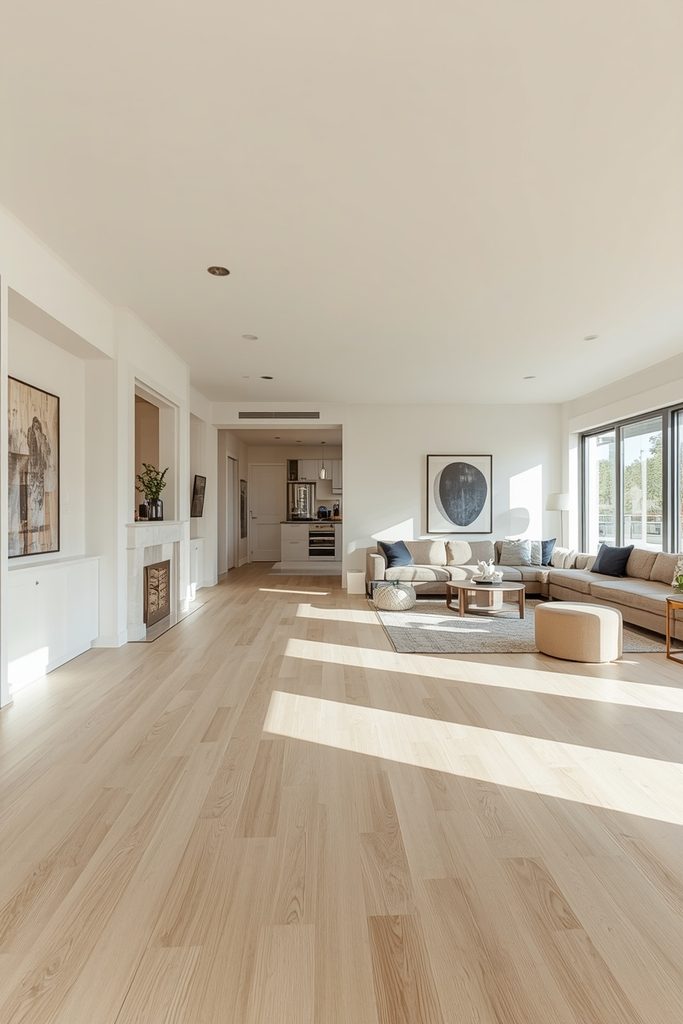
2. Espresso Walnut for Dramatic Depth
Espresso-stained walnut gives a floor deep, dramatic contrast that makes light furniture and walls pop. It feels formal and luxurious, especially in a room with plenty of natural light. Dust shows more easily, so plan on regular sweeping.
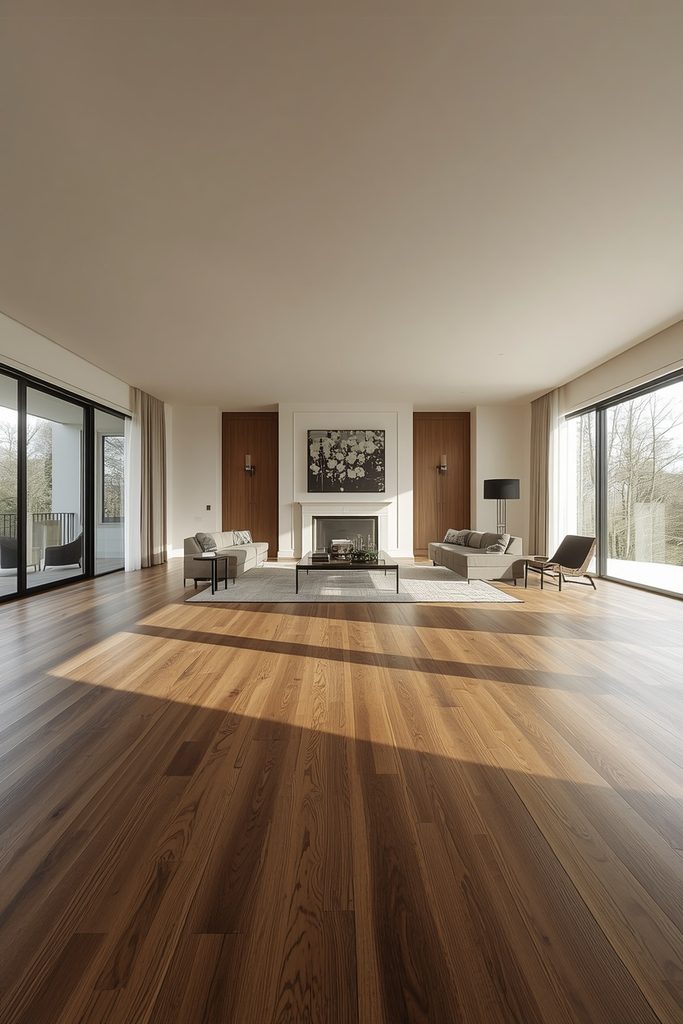
3. Whitewashed Planks for a Coastal Feel
Whitewashed boards keep the grain visible beneath a pale, chalky finish that evokes sun-bleached driftwood. It is a relaxed, breezy look for coastal and casual homes. The soft finish also hides dust and footprints well.
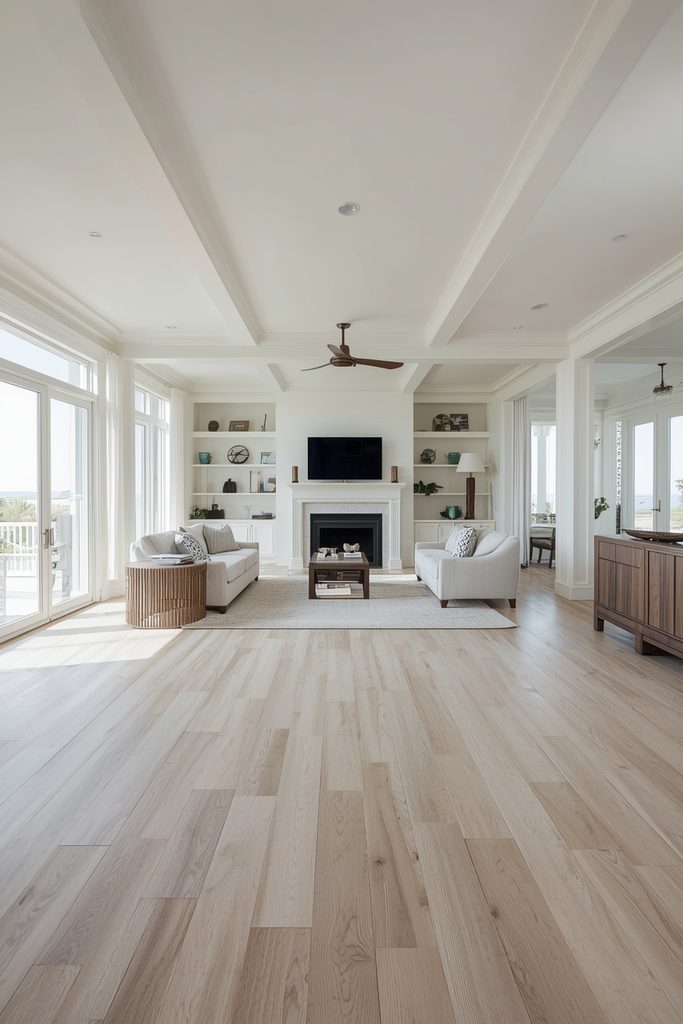
4. Charcoal-Stained Floors for a Modern Edge
Charcoal-stained wood floors bring a bold, contemporary edge and make white walls and bright art stand out. They suit modern and industrial interiors especially well. Keep the rest of the palette light to avoid heaviness.
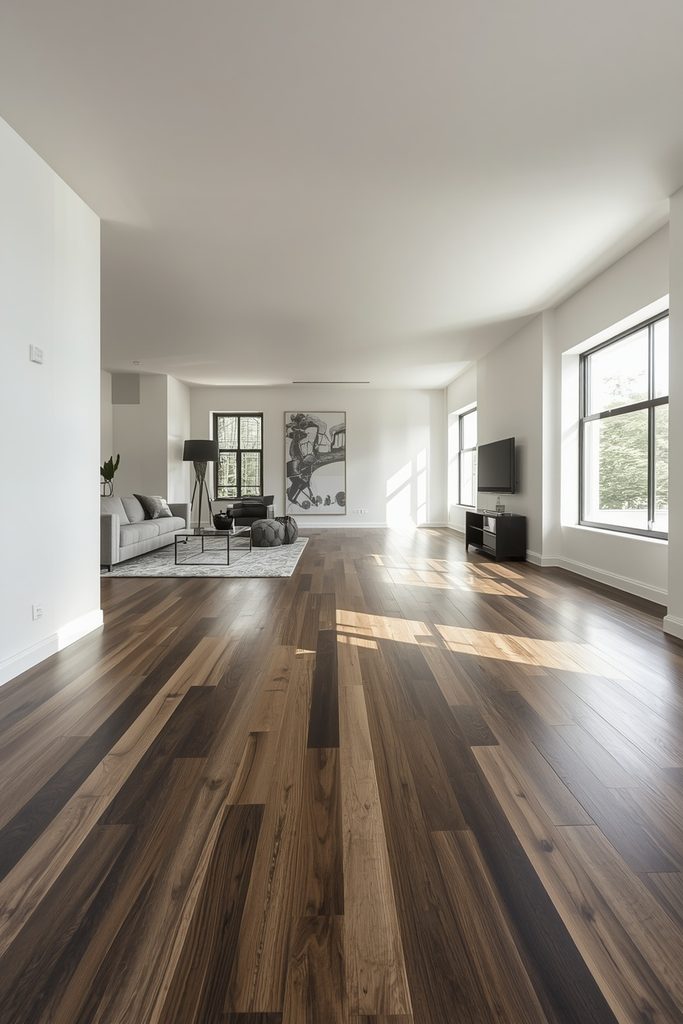
5. Mid-Tone Oak as the Versatile Middle Ground
A medium oak sits between light and dark, hiding dirt better than pale floors while staying brighter than espresso. It works with nearly any wall color and furniture style. This is the safest choice for a busy household.
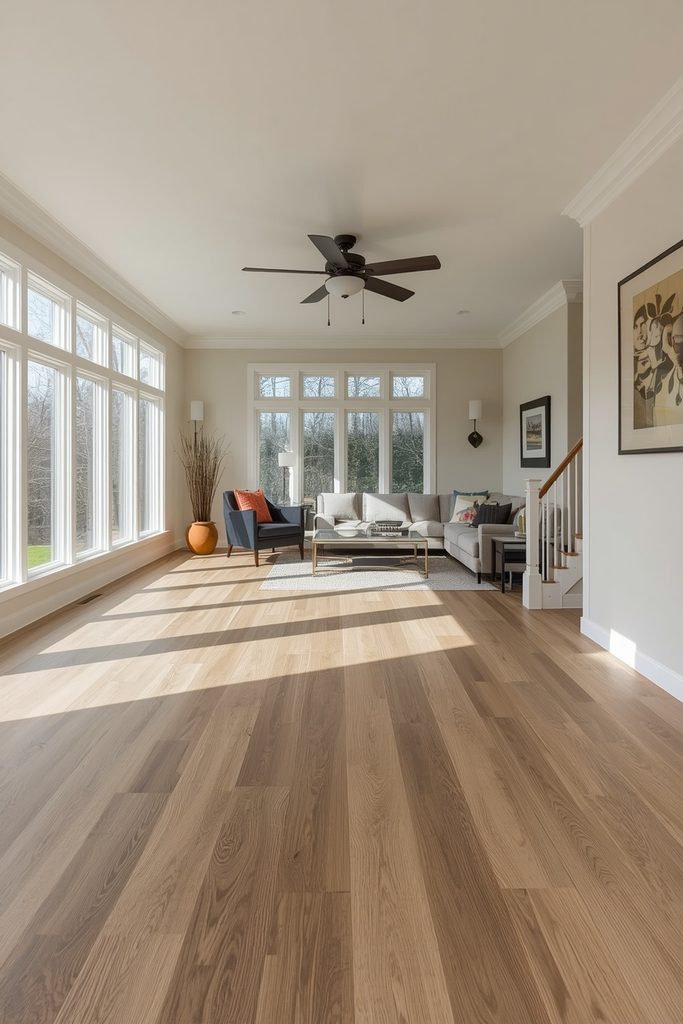
6. Light Floors With Dark Furniture for Contrast
A pale floor makes dark furniture look crisp and intentional, creating strong visual contrast without making the room heavy. Black or espresso pieces ground the space. This pairing is a favorite in modern and Scandinavian rooms.
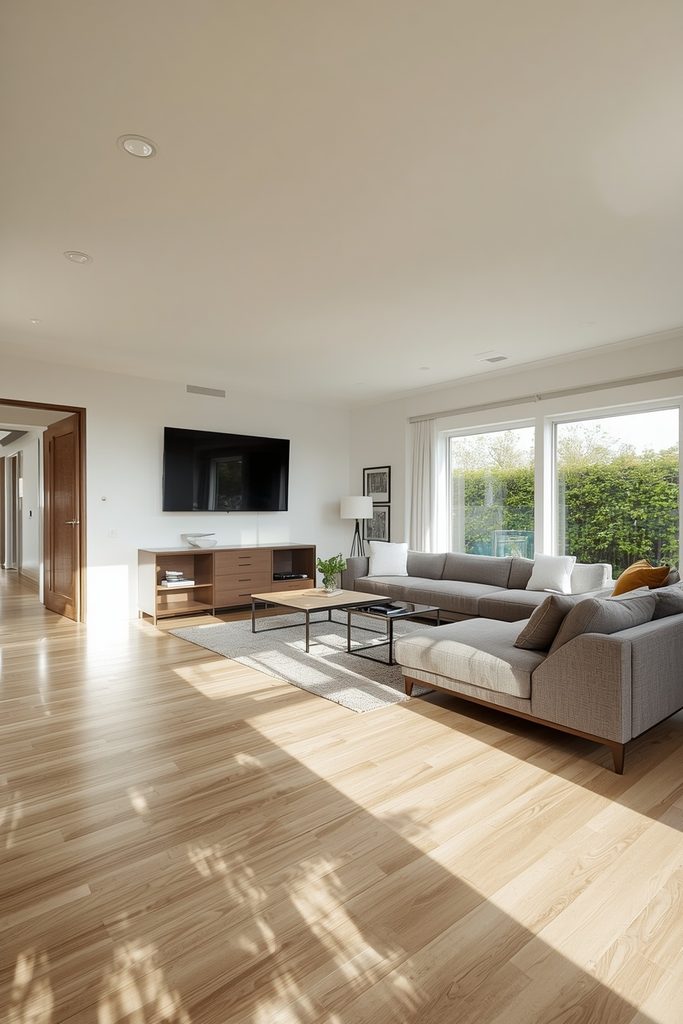
7. Dark Floors With Light Furniture for Softness
Dark floors paired with cream or pale furniture create an elegant contrast that keeps the room feeling soft rather than somber. The light pieces appear to float above the floor. This works beautifully in a formal living room.
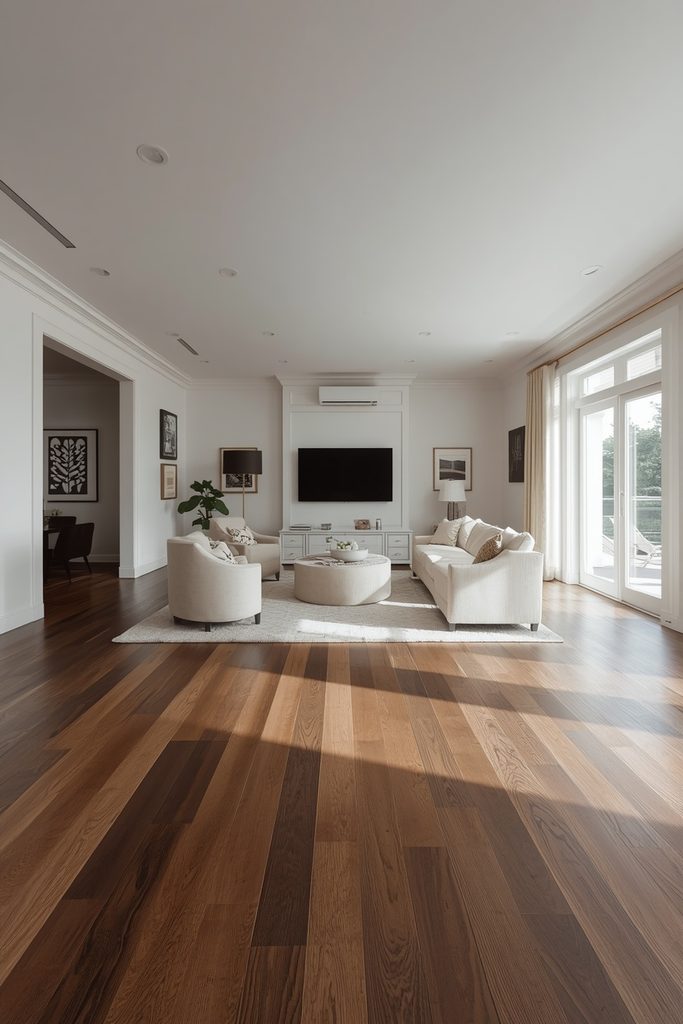
8. A Two-Tone Floor With a Light Border and Dark Field
A dark center field framed by a lighter border gives a floor a custom, inlaid look that feels rooted in classic design. It defines a space without needing walls. This is a higher-effort option for a statement room.
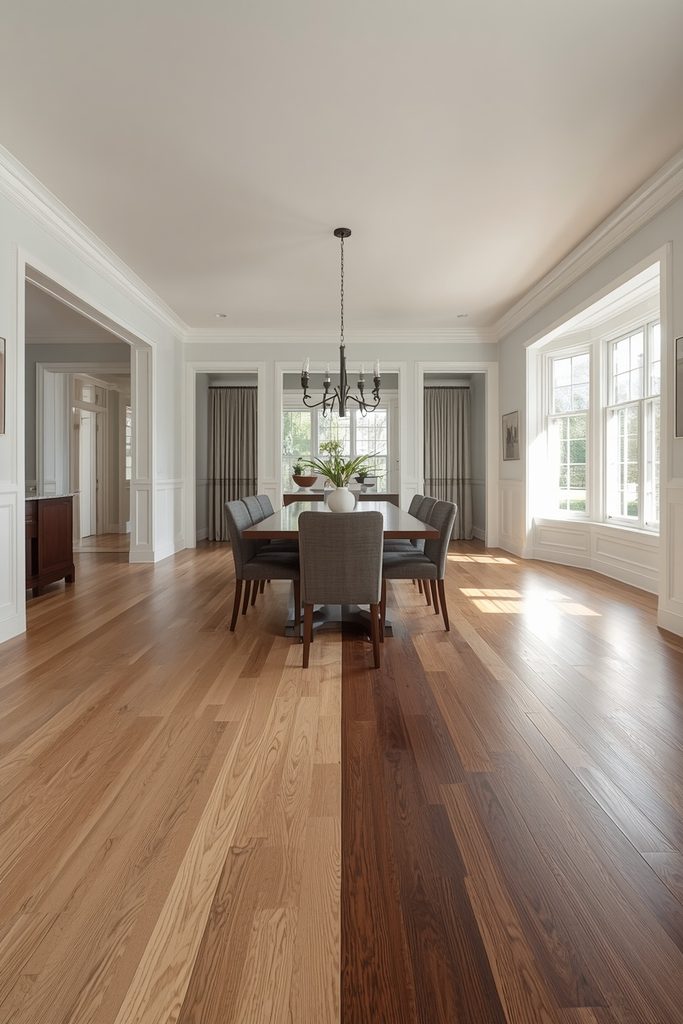
9. Light Wood Floors in a Small Room to Add Space
Light floors bounce daylight around a small room and make the walls feel farther apart. Pair them with pale walls for the largest effect. This is the simplest visual trick for a compact space.
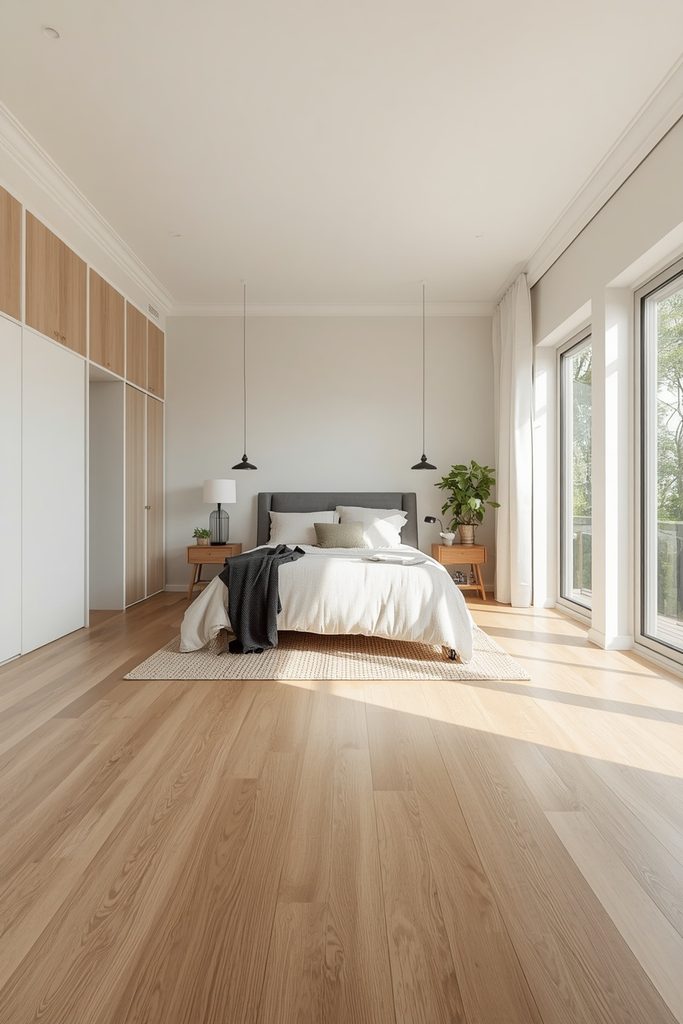
10. Dark Floors in a Large Room for Cozy Scale
In a large room, dark floors bring the scale down and make the space feel intimate and grounded. Make sure there is plenty of natural light to keep it from feeling heavy. The effect is warm, rich, and enveloping.
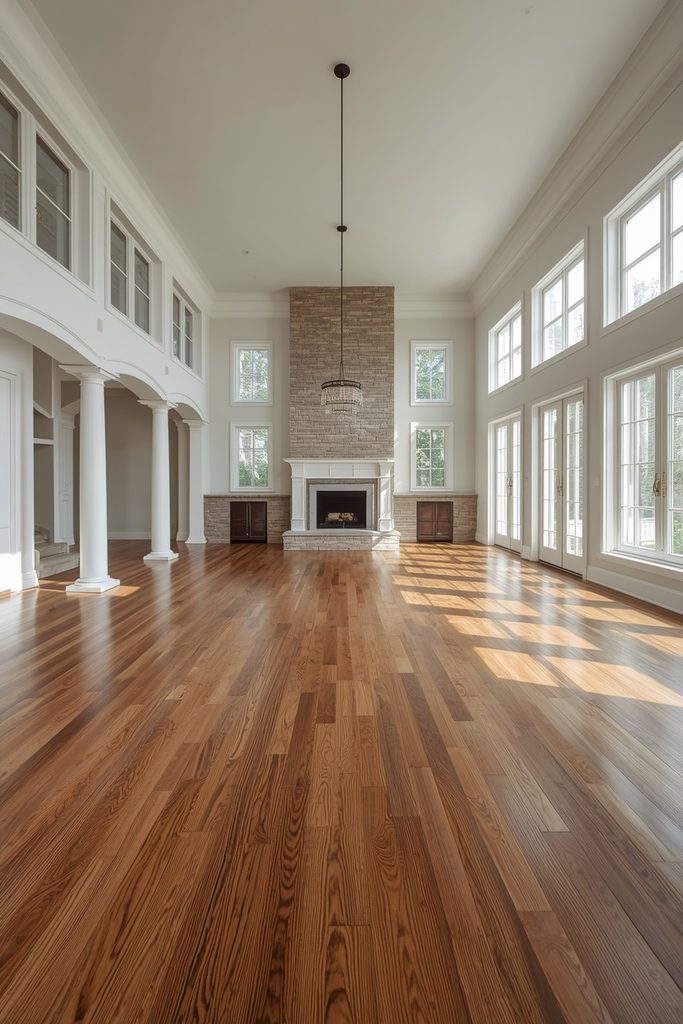
11. Gray-Washed Wood for a Cool, Calm Look
Gray-washed floors take the yellow out of the wood for a cool, modern, and calm feeling. They pair well with whites, blues, and soft greys. Check the sample in your room’s light, as grays can shift blue or brown.
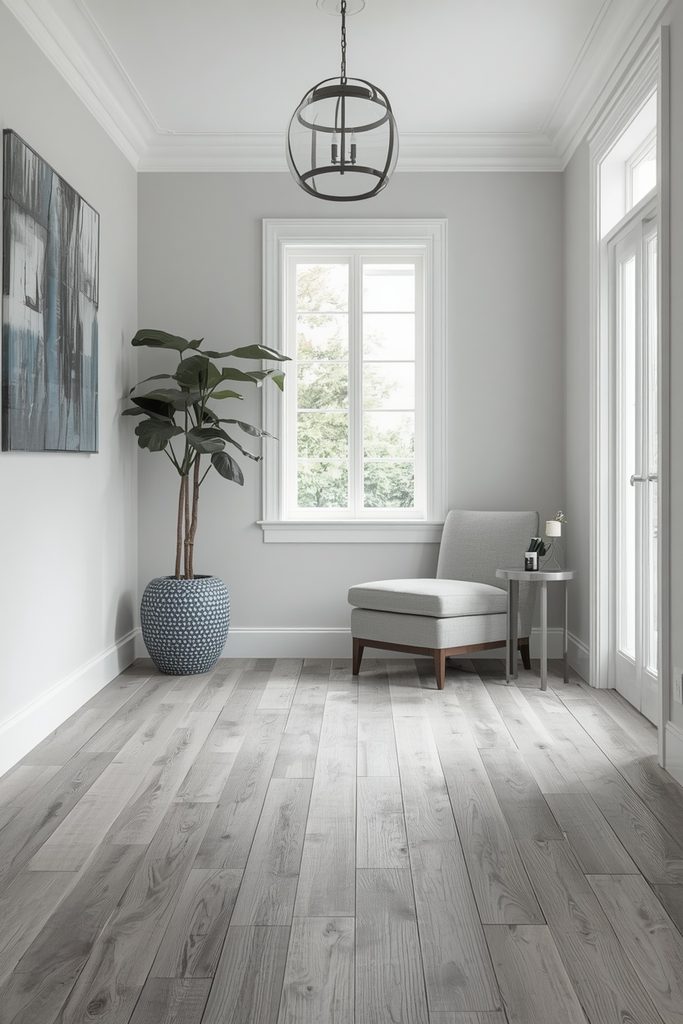
12. Ebony-Stained Planks for Maximum Drama
Ebony stain is the deepest option, creating a nearly black floor that makes any room feel dramatic and gallery-like. It shows scratches and dust more than any other tone. Reserve it for rooms where the look is worth the upkeep.
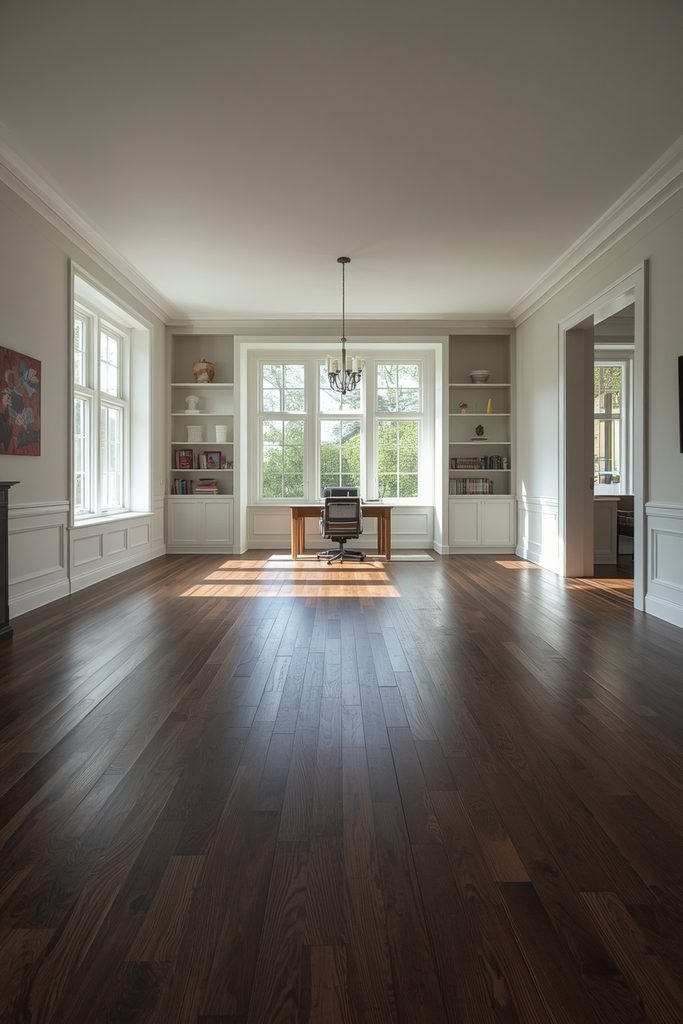
13. Blonde Maple for a Clean Scandinavian Style
Blonde maple has a tight, subtle grain and a creamy tone that is the signature of Scandinavian design. It keeps a room light and calm. Pair it with simple furniture and plenty of white.
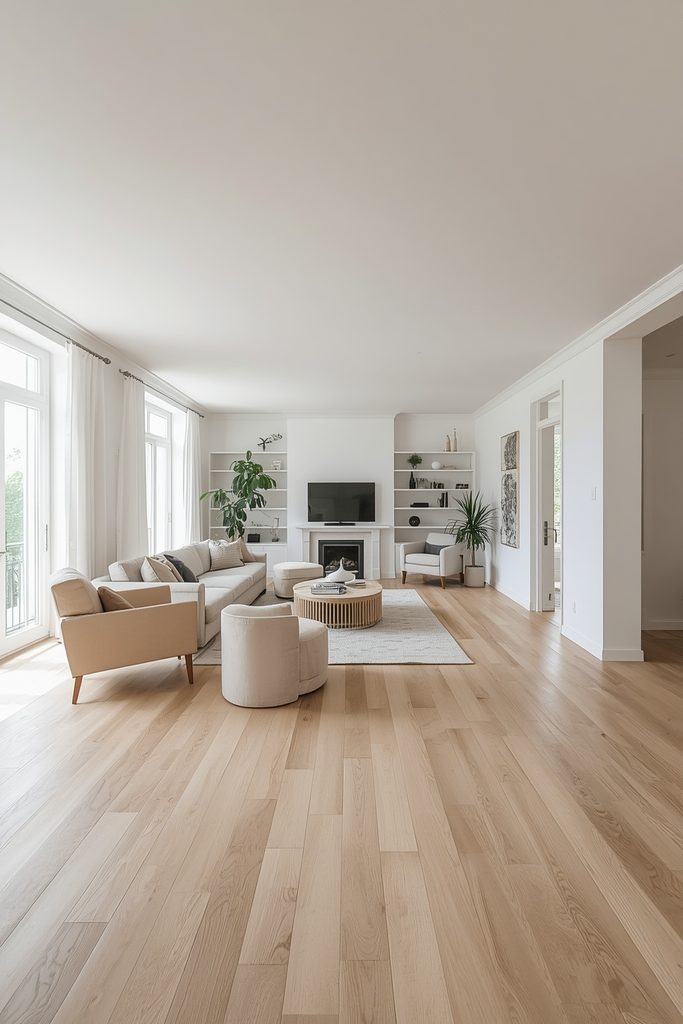
14. Smoked Oak for a Rustic Dark Look
Smoked oak is fumed to a deep brown with natural variation, giving a rustic yet refined dark floor. The color is built into the wood rather than sitting on top. It suits lodge, farmhouse, and industrial homes.
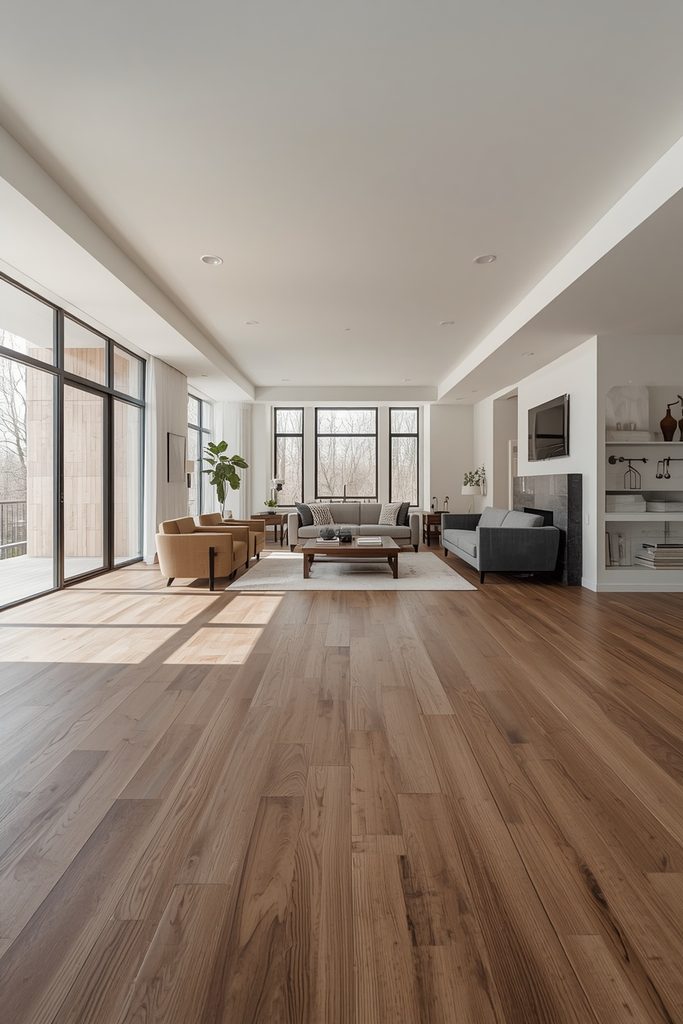
15. A Transition Strip Between Light and Dark Rooms
When light and dark floors meet, a clean threshold or a change at a doorway keeps the transition intentional. Avoid abrupt changes in the middle of an open space. Planned correctly, it lets each room have its own character.
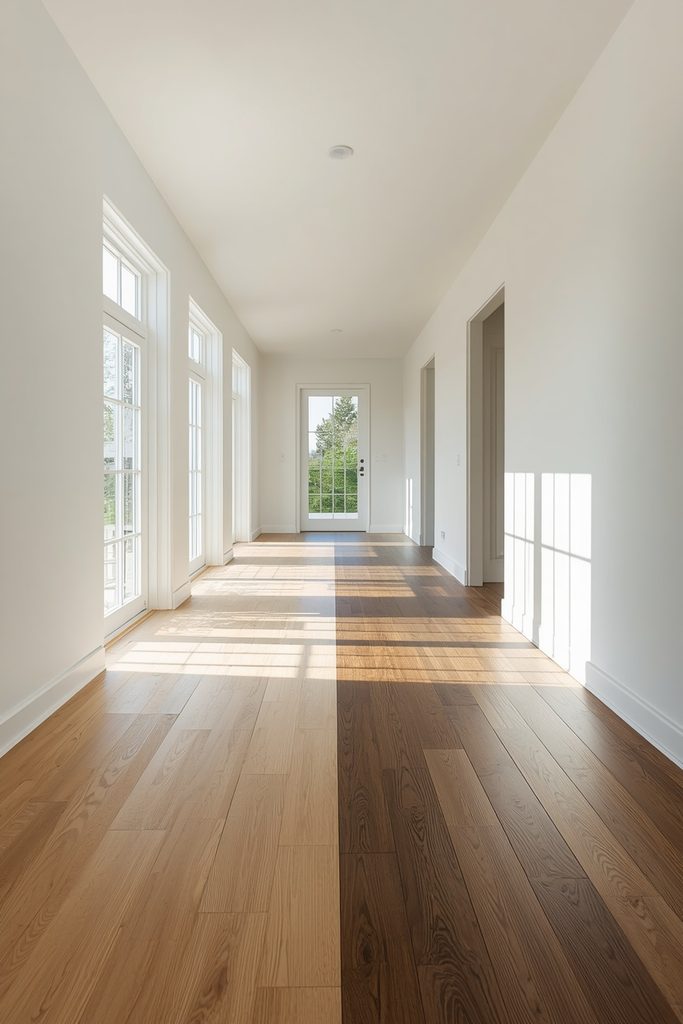
16. Light Floors Upstairs and Dark Floors Downstairs
Using a dark floor on the main level and a light floor upstairs gives each level its own personality, with the main floor feeling formal and the bedrooms feeling airy. A landing is the natural place to change. This is a popular two-story approach.
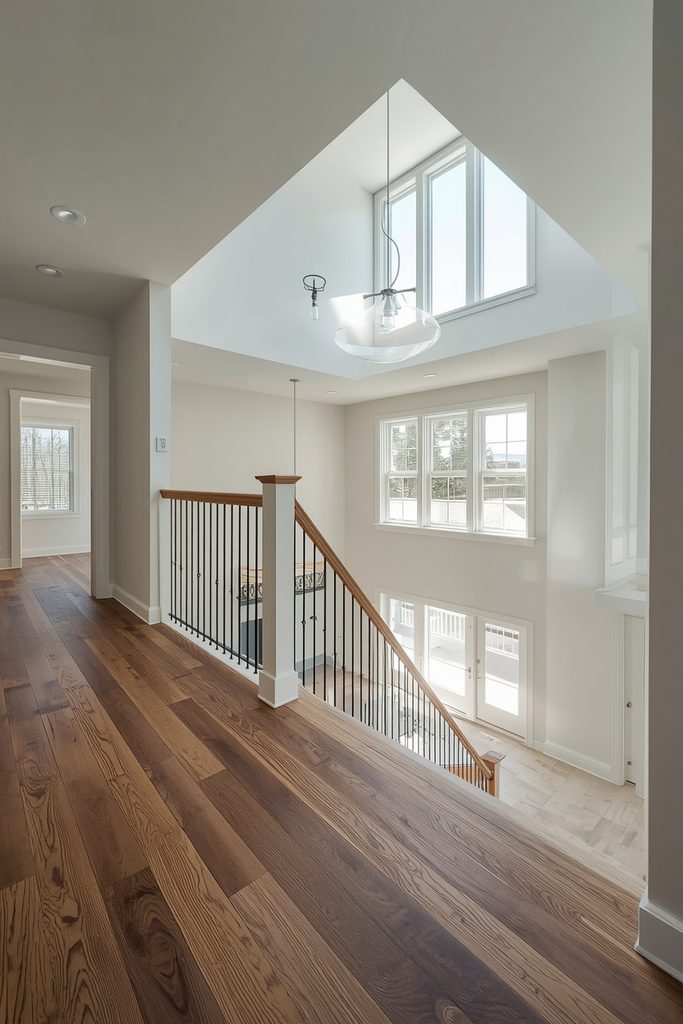
17. Dark Floors With White Walls for Crisp Contrast
White walls over dark floors create a graphic, high-contrast look that feels clean and sophisticated. The floor becomes a strong visual anchor. It is a classic combination for modern and traditional homes alike.
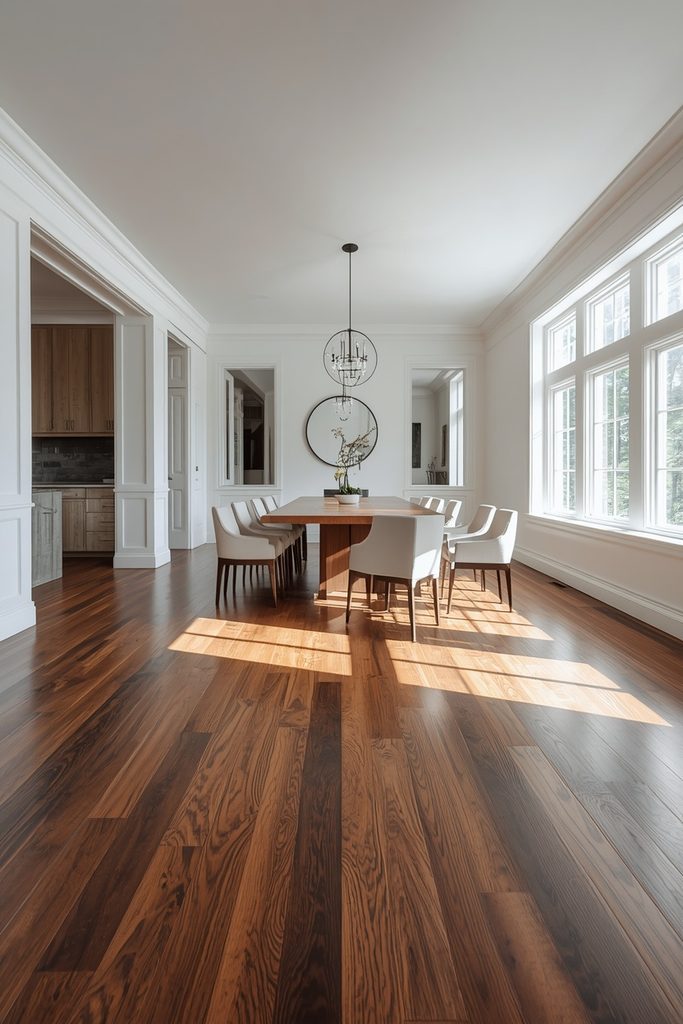
18. Light Floors With Sage and Soft Blue Accents
Pale wood with muted sage green and soft blue accents feels fresh, natural, and calm. The cool accents keep the light wood from looking yellow. This is a gentle palette for bedrooms and living rooms.
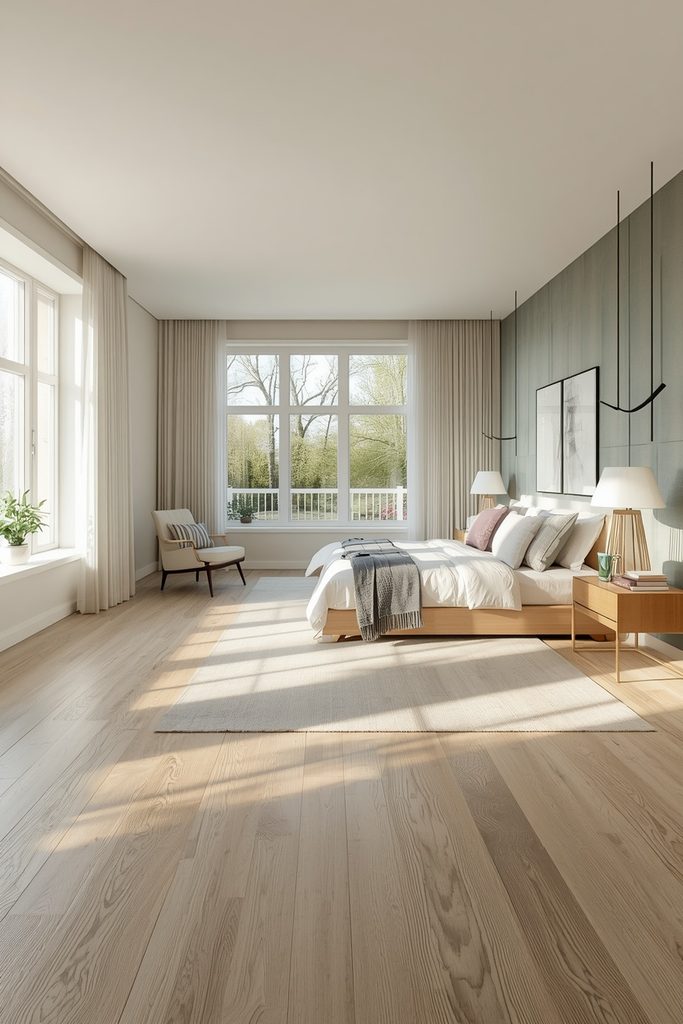
19. A Matte Finish Across Both Light and Dark Tones
A matte finish reduces glare on both light and dark floors and helps hide dust, scratches, and footprints. It also looks more modern and natural than a glossy sheen. It is the most practical finish for either tone.
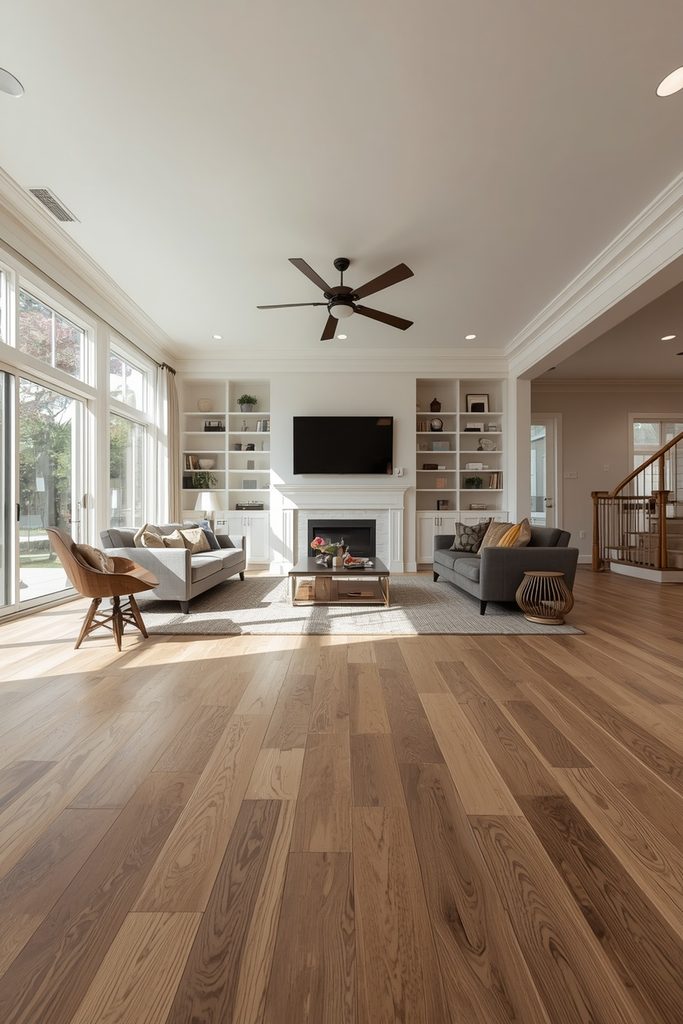
20. Mixing Wood Tones in Furniture Over One Floor
Layering several wood tones in furniture over a single floor tone adds depth, as long as the undertones stay similar. Repeat each tone at least twice so it looks intentional. This keeps a room from feeling flat or matched.
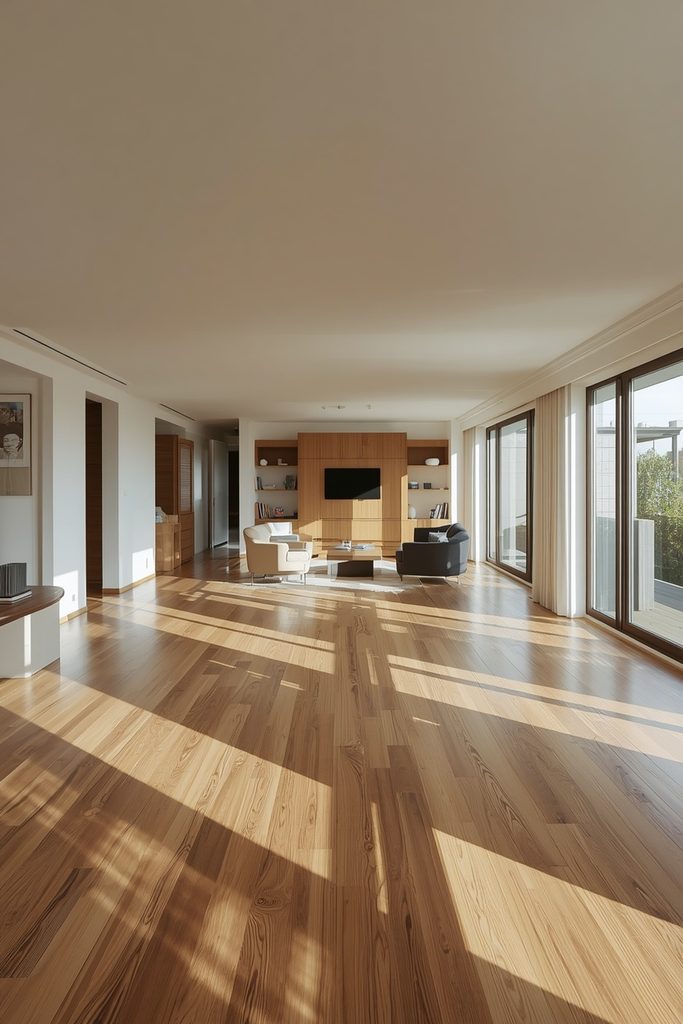
21. Choosing by Lifestyle, Not Just by Look
Light floors hide dust and pet hair better, while dark floors can show every speck, so the best tone depends on your household as much as your taste. Consider pets, children, sunlight, and how often you clean. A floor you can live with beats a floor that only looks perfect on day one.
Where I’d Start If I Only Did Three Things
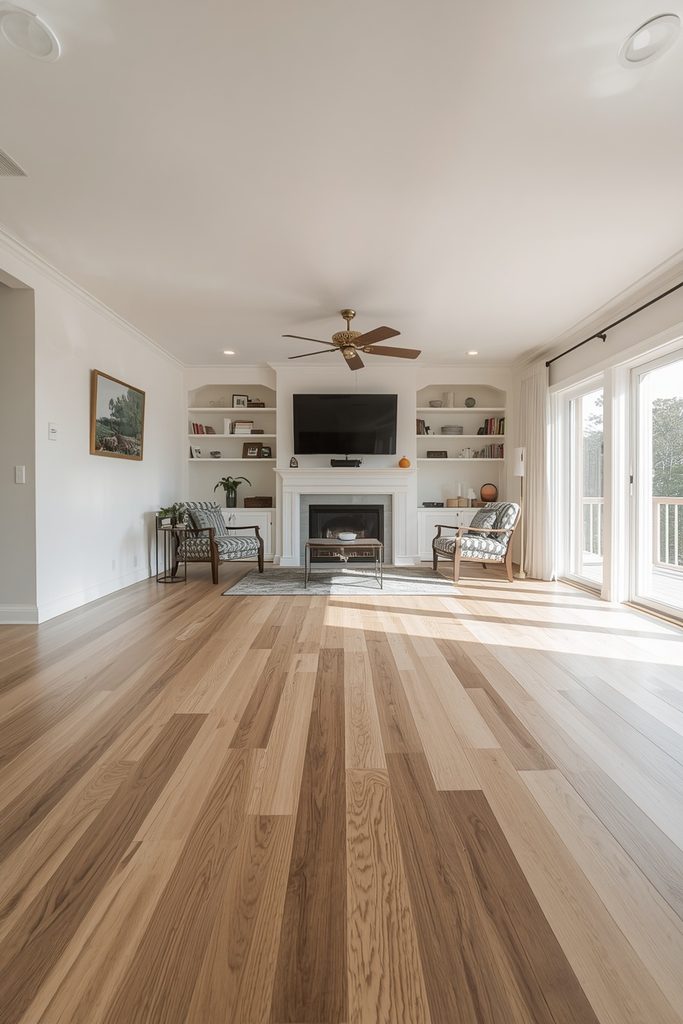
If I only had one decision to make, I’d choose a mid-tone oak from idea five, since it balances brightness with practicality and works with almost any decor. Second, I’d choose a matte finish from idea nineteen, because it hides dust and scratches on both light and dark floors. Third, I’d choose the tone based on lifestyle from idea twenty one, since pets, children, and sunlight matter as much as the look.
FAQ
Do light or dark wood floors show more dirt?
Both show different kinds of dirt, with dark floors showing dust, lint, and pet hair more readily, and light floors showing dirt tracked in from outside. A mid-tone with a matte finish hides the most of both.
Which wood floor tone makes a room look bigger?
Light floors generally make a room look bigger because they reflect more daylight and visually push the walls outward. Pairing them with pale walls amplifies the effect, especially in a smaller room.
Can I use light and dark wood floors in the same home?
Yes, as long as the transitions are planned at natural boundaries like doorways, landings, or the change between floors. Keeping the undertones compatible helps the two tones feel related rather than random.
What is the most versatile wood floor tone?
A medium oak or natural oak is the most versatile, since it pairs with both light and dark furniture and a wide range of wall colors. It also forgives everyday wear better than the extremes.
Conclusion
Light and dark wood floors each bring their own character, from airy and open to dramatic and grounded, and the best choice depends on your light, your lifestyle, and your style. Weigh the pros and cons from this list, pick the tone and finish that fit your home, and the floor will anchor every room beautifully.