
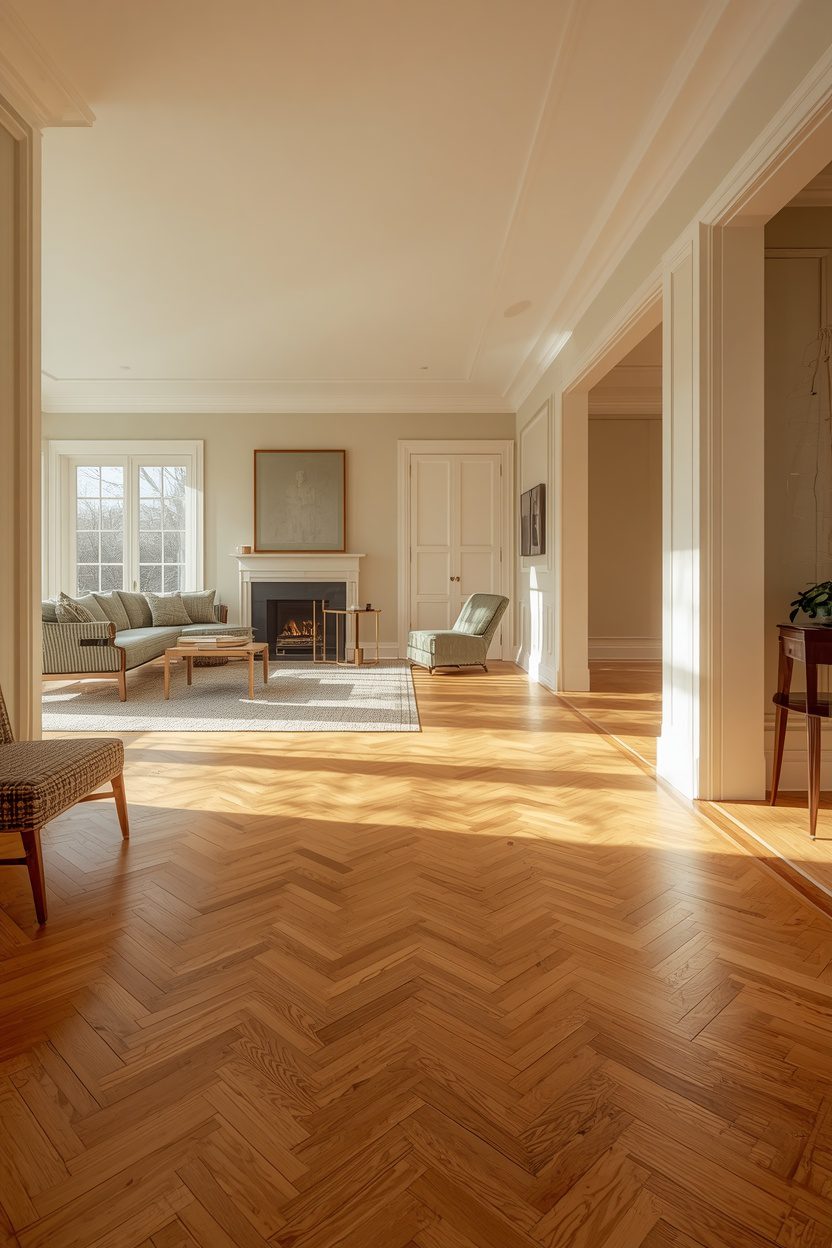
Warm wood flooring is one of the fastest ways to make a house feel like a home, since the floor is the largest surface in almost every room. Honey oak, walnut, hickory, and reclaimed boards all bring natural color and texture that cold tile and plain carpet simply cannot match.
These twenty one ideas cover wood species, patterns, finishes, and styling pairings that build a cozy, welcoming feeling from the floor up. Below are a few tips worth keeping in mind as you plan.
| Tips for Choosing Warm Wood Flooring |
| ★ Tip: Bring a physical sample home and view it in the room at different times of day, since warm tones shift noticeably between morning and evening light. |
| ★ Tip: Pair warm wood with cream, sage, or soft neutral walls rather than stark white, which can make the wood look yellow by comparison. |
| ★ Tip: Layer a generous rug over the floor in seating areas to add softness, sound absorption, and an extra layer of warmth. |
| ★ Tip: Choose a satin or natural oil finish rather than high gloss so the grain stays visible and the floor feels organic. |
| ★ Tip: Keep the same warm wood continuous through connected rooms for a calmer, larger-feeling home. |
1. Honey-Toned Oak Planks for Everyday Warmth
Honey-toned oak is one of the most universally loved warm flooring choices, bringing a golden glow that makes any room feel instantly inviting. Choose a satin finish to keep the grain visible without excess glare. This tone works with almost every furniture style.
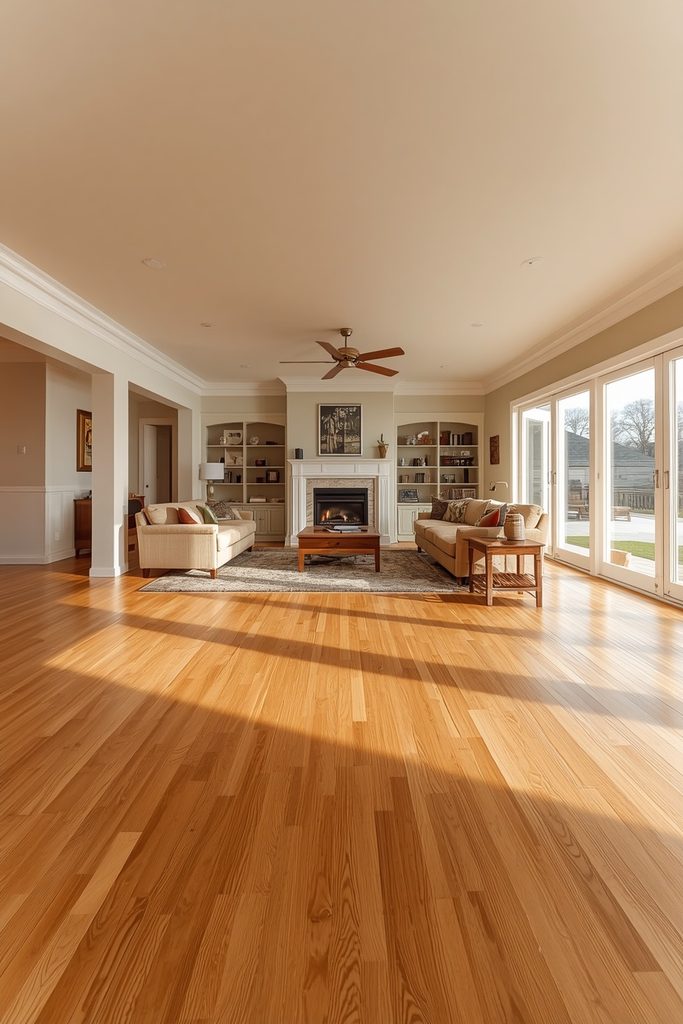
2. Rich Walnut for a Deep, Enveloping Feel
Walnut flooring brings a deep chocolate warmth with beautiful natural grain variation, ideal for a room meant to feel enveloping and intimate. Balance it with lighter walls and plenty of natural light so the room stays welcoming rather than heavy. This is a classic choice for dens and libraries.
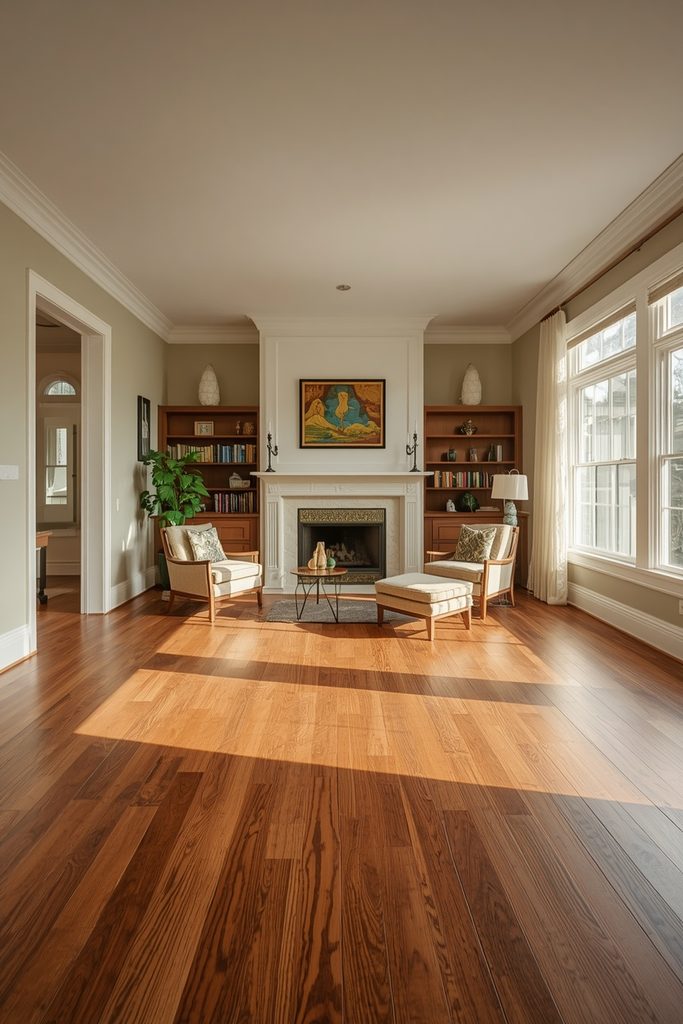
3. Hickory Planks With Bold Natural Variation
Hickory carries dramatic color and grain variation within the same board, giving the floor an energetic, lived-in warmth. It is also one of the harder domestic species, which suits busy households. Choose wider planks to showcase the variation.
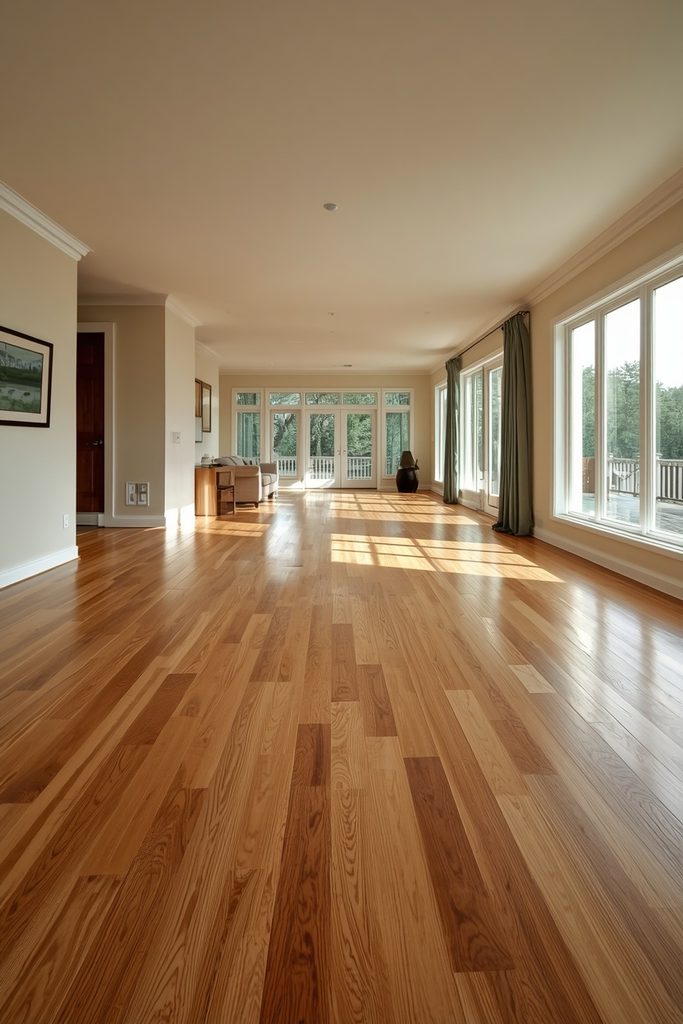
4. Cherry Wood for Classic Reddish Warmth
Cherry flooring begins as a soft, light tone and deepens over time into a rich reddish brown, so the warmth literally grows with the home. Keep it out of direct harsh sun to avoid uneven darkening. This is a timeless choice for traditional interiors.
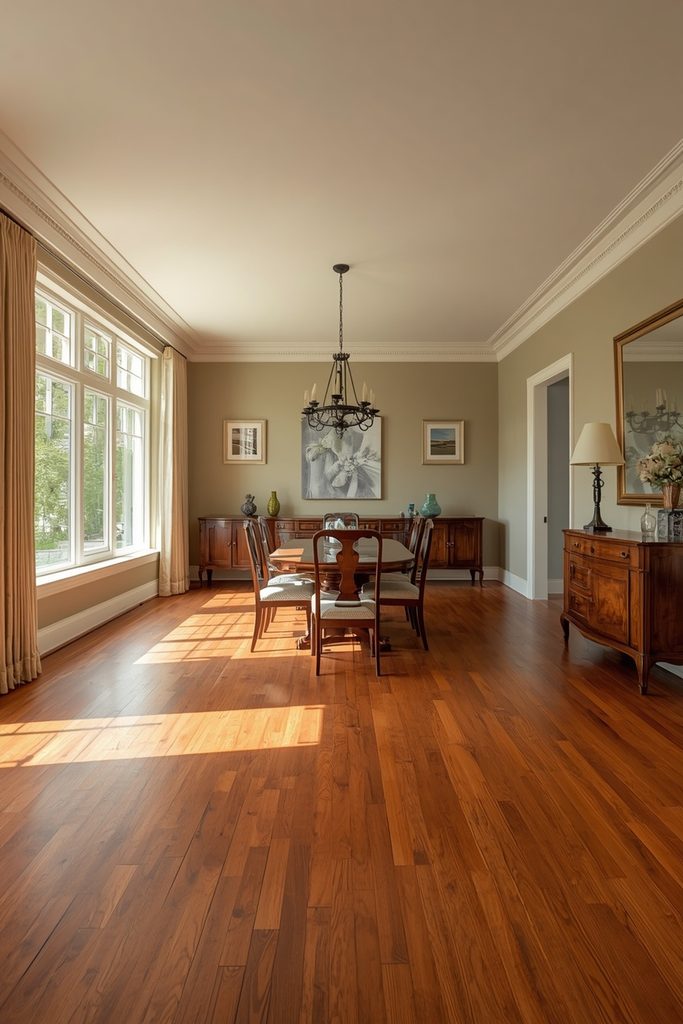
5. Reclaimed Barn Wood Flooring With Character
Reclaimed barn wood carries nail holes, saw marks, and weathered color that bring genuine history underfoot. Each board is different, which gives the floor warmth no new material can imitate. Seal it well so the character stays but splinters do not.
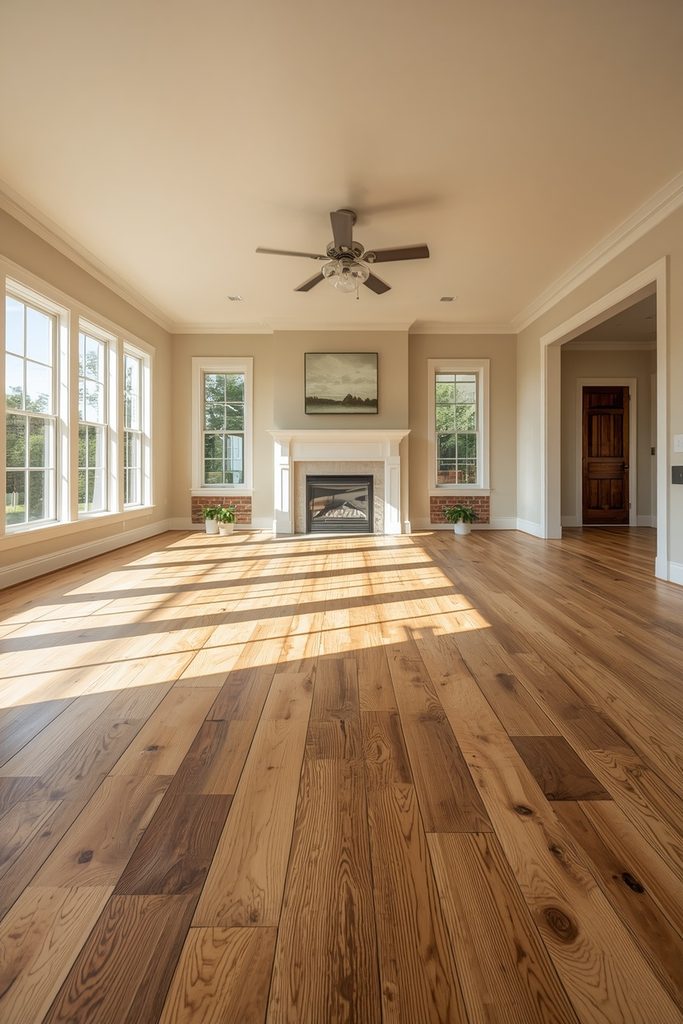
6. Wide-Plank Floors for a Grounded Cabin Feeling
Wide planks, eight inches or more, show off more of each tree and create a calm, cabin-like look with fewer seams. They work especially well in larger rooms where narrow strips can look busy. Allow for proper acclimation since wide boards move more with humidity.
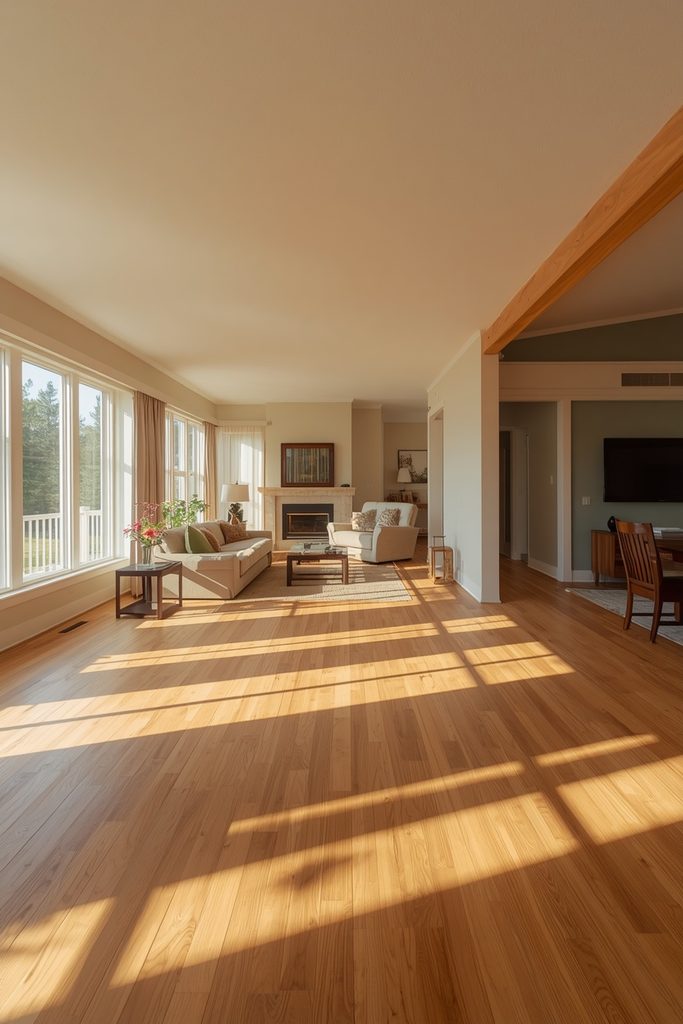
7. Herringbone Pattern in a Warm Mid-Tone
A herringbone layout in a warm mid-tone wood adds texture and movement while keeping the color cozy rather than stark. The zigzag pattern catches light differently from each angle. It elevates an ordinary room into something that feels custom.
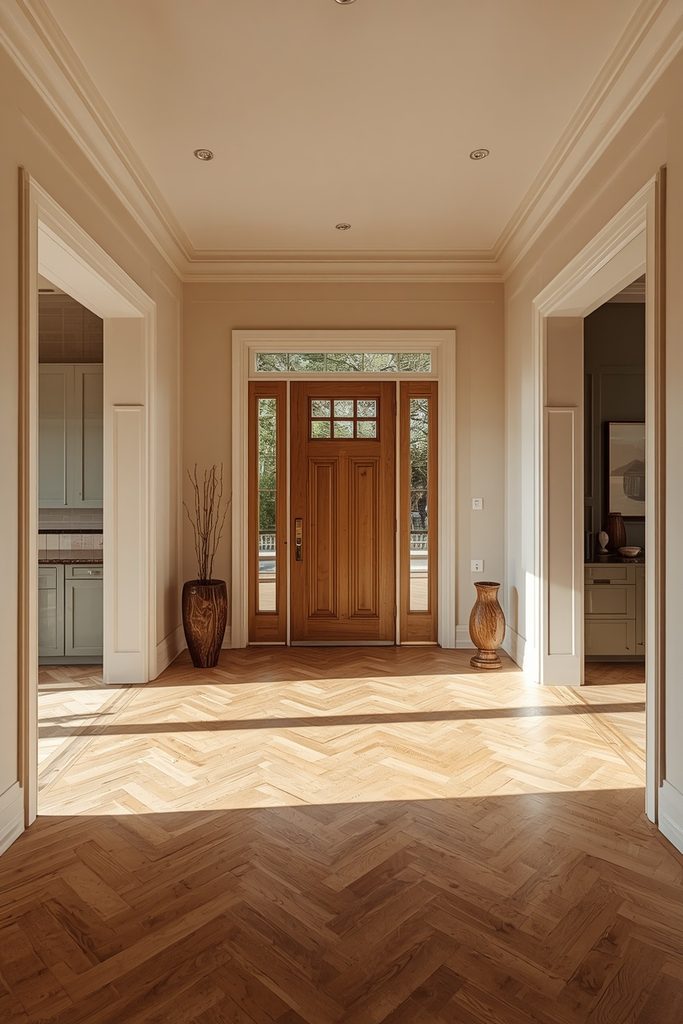
8. Chevron Planks for Gentle Visual Rhythm
Chevron planks meet at a clean point, creating a continuous arrow pattern that feels dynamic yet orderly. In a warm tone it reads as sophisticated rather than loud. It is best installed by an experienced flooring professional.
9. A Hand-Scraped Finish for Tactile Warmth
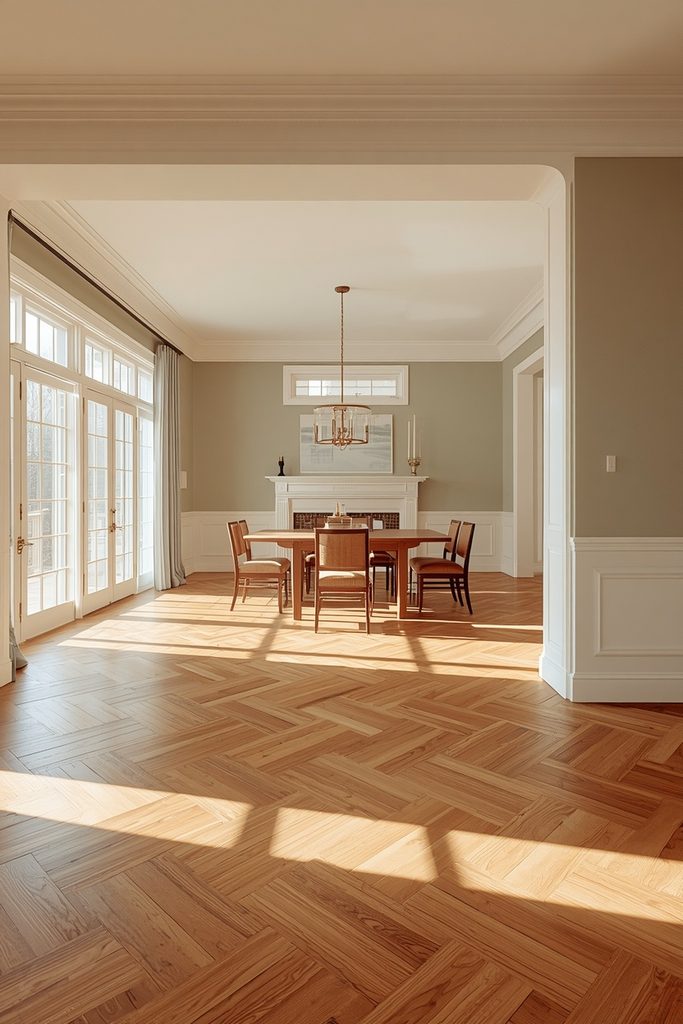
Hand-scraped boards have a softly undulating surface that feels as warm to the touch as it looks. The texture also hides everyday scratches and wear very well. It suits relaxed, rustic, and transitional rooms.
10. Warm Wood Floors Paired With Cream Walls
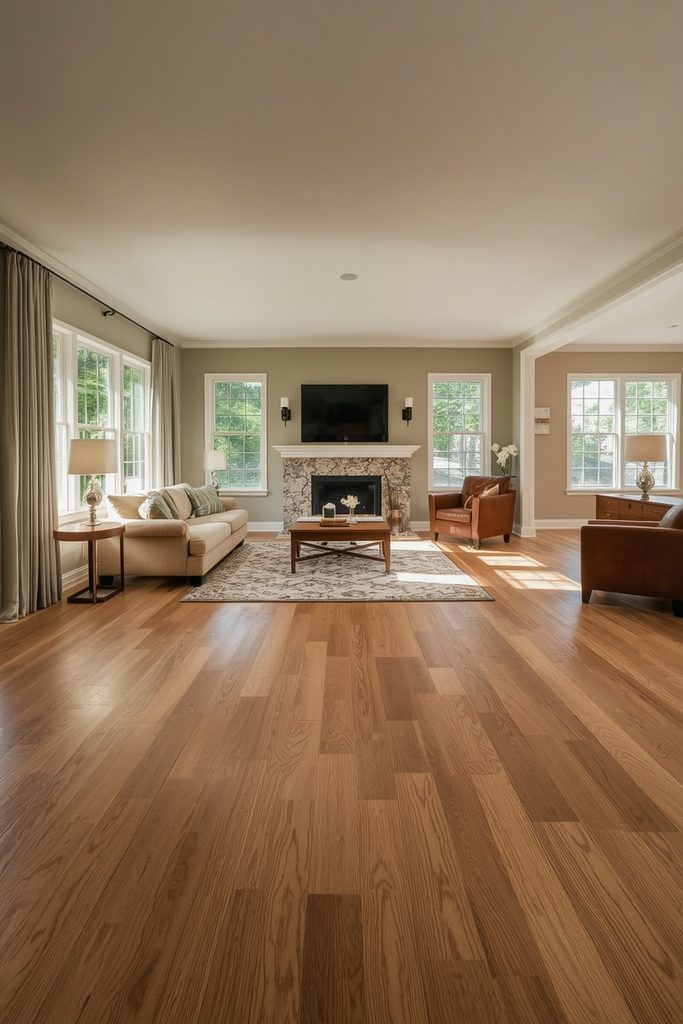
Cream walls let a warm wood floor take center stage while keeping the whole room soft and glowing. The pairing avoids the harsh contrast of stark white against honey wood. It is an easy, forgiving color combination for nearly any home.
11. A Large Wool Rug Layered Over Warm Planks
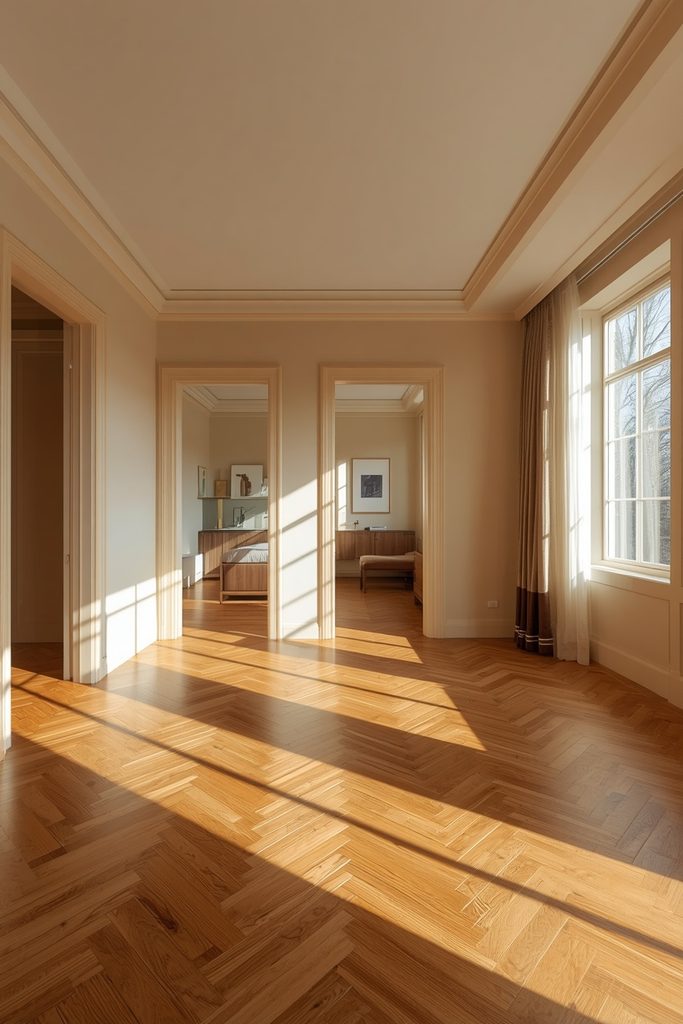
A generous wool rug in a soft neutral anchors the seating area and adds another layer of warmth and sound absorption. Let a border of wood show around the rug so the floor remains part of the design. This is the simplest way to make wood floors feel cozier.
12. Warm Wood Floors in the Kitchen for Welcoming Flow
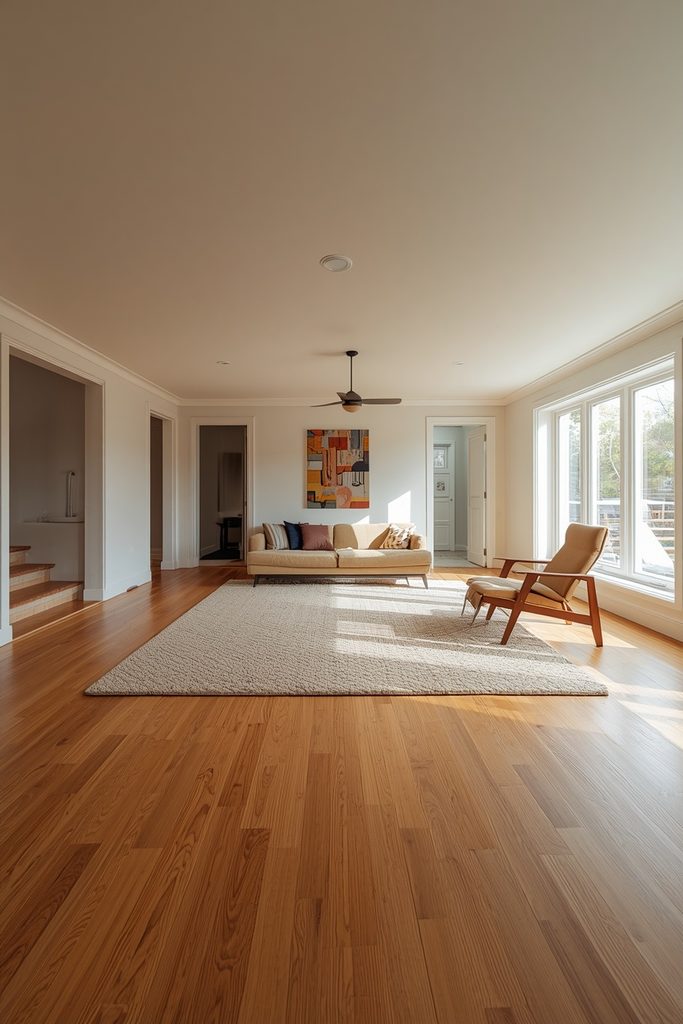
Running the same warm wood into the kitchen creates visual continuity and makes the heart of the home feel inviting. Choose a durable, water-resistant finish and wipe spills promptly. The result is a kitchen that feels like a living space rather than a workroom.
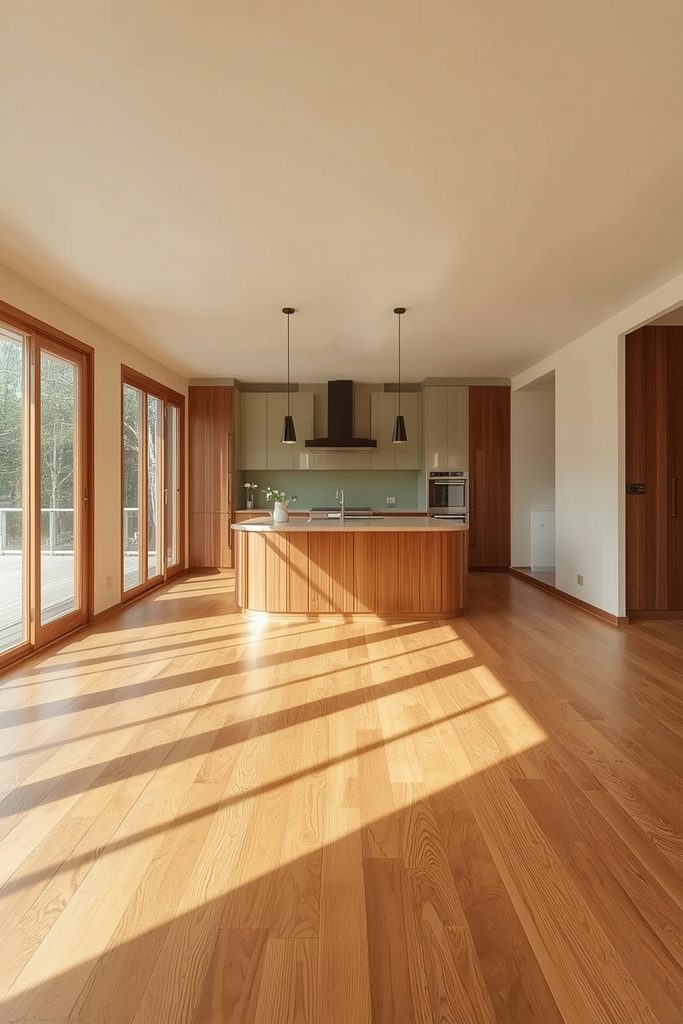
13. A Warm Wood Floor in the Bedroom Retreat
Warm wood underfoot in the bedroom feels far cozier than cold tile or thin carpet, especially with a soft rug beside the bed. Keep the finish matte for a calm, restful look. This is one of the most appreciated upgrades in a primary suite.
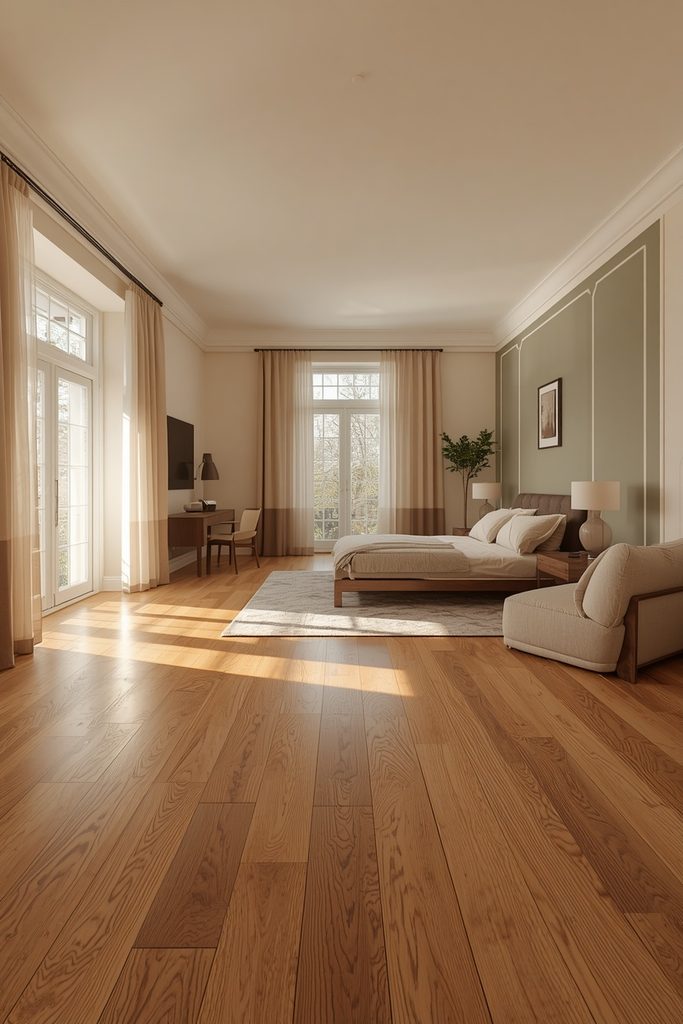
14. Warm Wood With Black Iron Accents for Contrast
Black iron lighting, hardware, and window frames sharpen the glow of warm wood without cooling it down. This contrast keeps a cozy room feeling current instead of dated. A few small touches are enough.
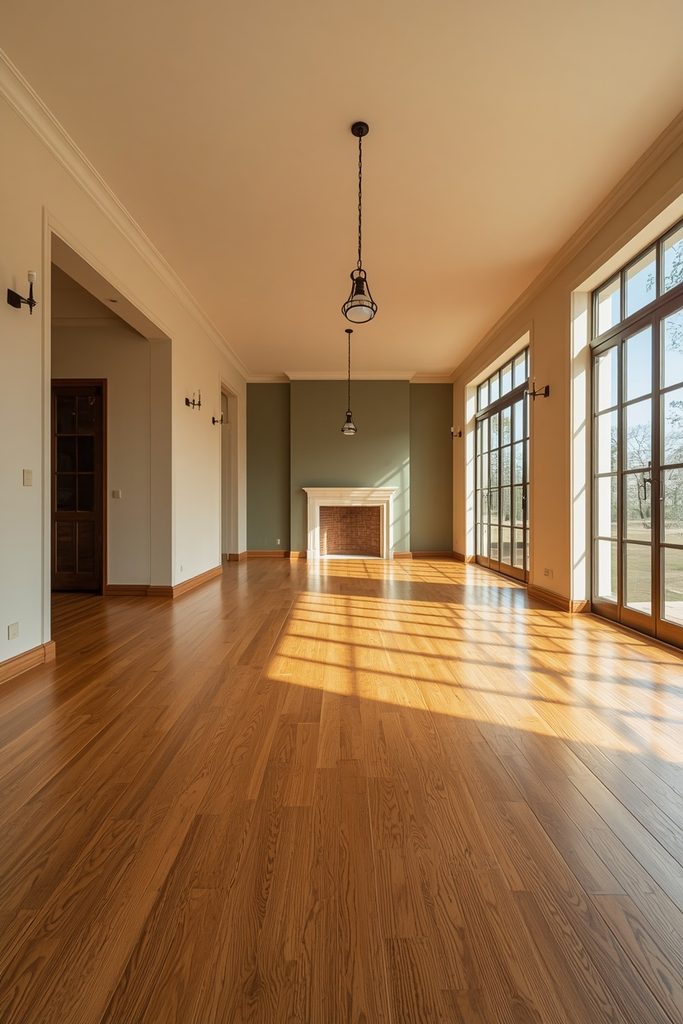
15. A Warm Wood Stair and Landing Continuation
Continuing the same warm wood up the stairs and across the landing makes the whole home feel connected and intentional. Treads take more wear, so choose a finish rated for heavy traffic. The cohesive look is worth the extra planning.
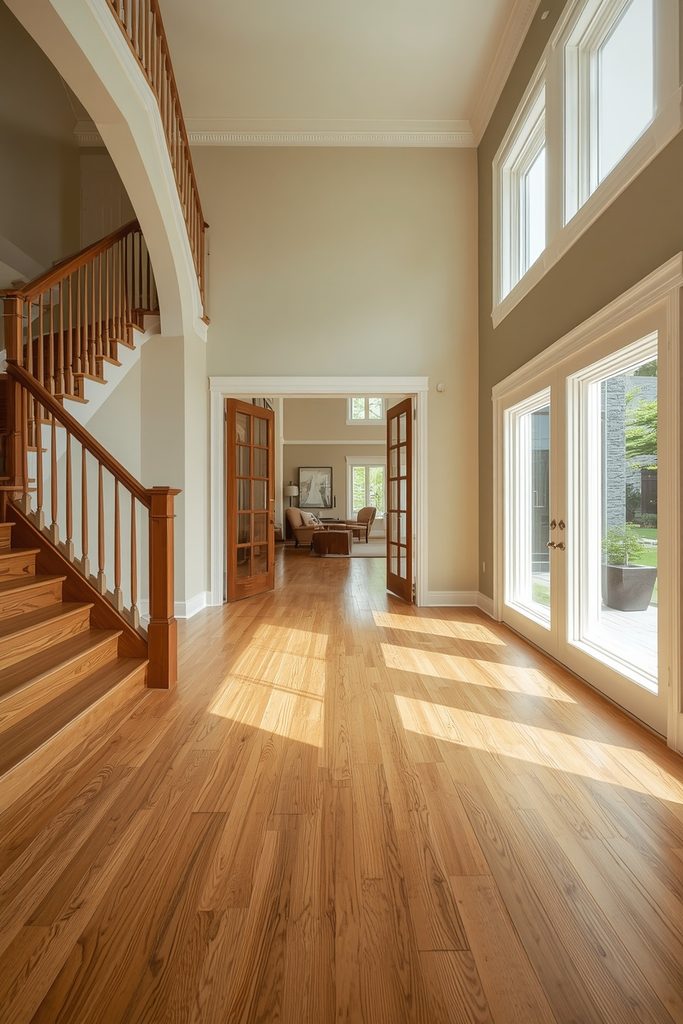
16. Radiant Heat Beneath Warm Wood Floors
Radiant floor heating makes warm wood feel literally warm, removing the chill from winter mornings. Engineered wood handles the temperature changes better than solid planks. It turns a visual comfort into a physical one.
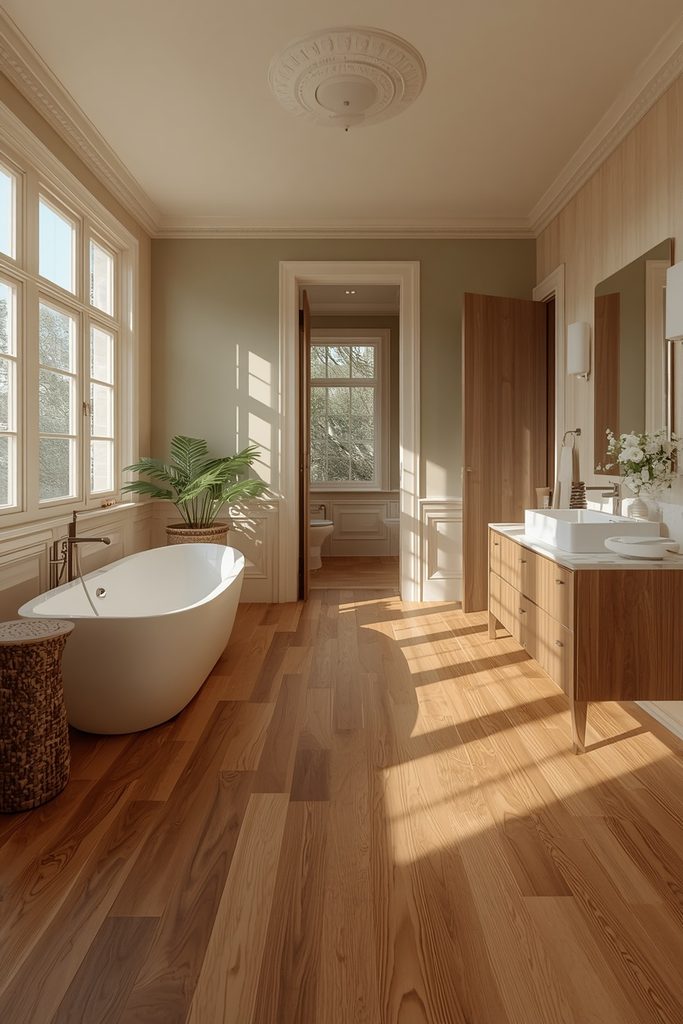
17. Warm Wood Floors in a Cozy Reading Nook
A small nook with a warm wood floor, a soft cushion, and a good lamp becomes the most-used corner of the house. Keep the surrounding palette soft so the wood provides the warmth. It costs very little to style and delivers a lot of comfort.
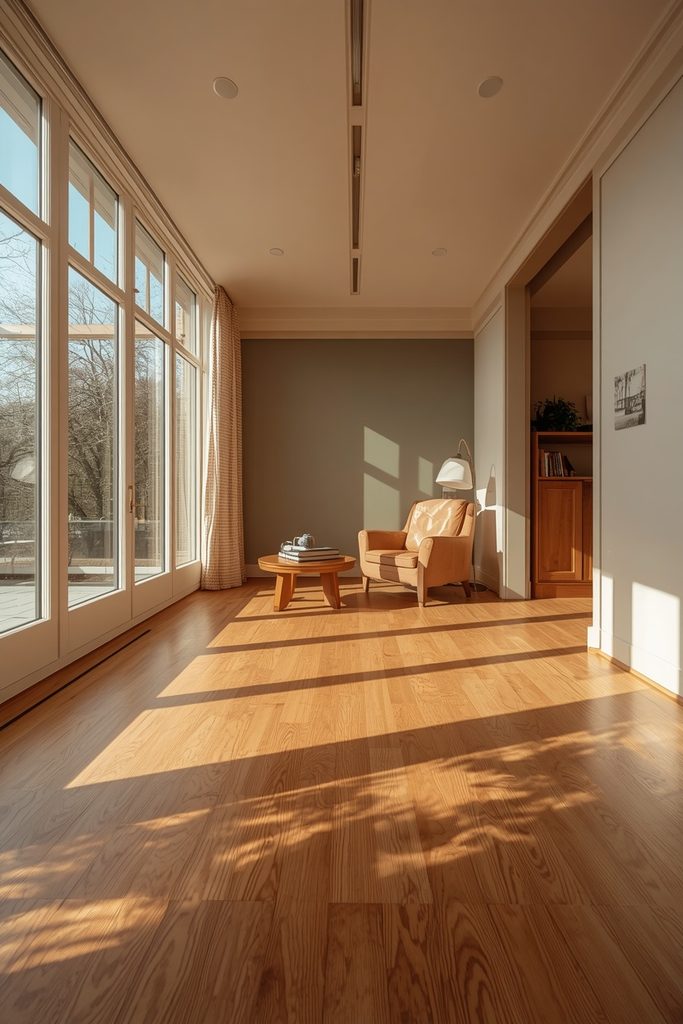
18. Natural Oil Finish for a Soft, Lived-In Glow
A natural oil finish deepens the wood’s color and leaves a soft, low-sheen surface that feels organic and warm. It can be spot-repaired rather than refinished entirely. This is a favorite among those who prefer a natural, understated look.
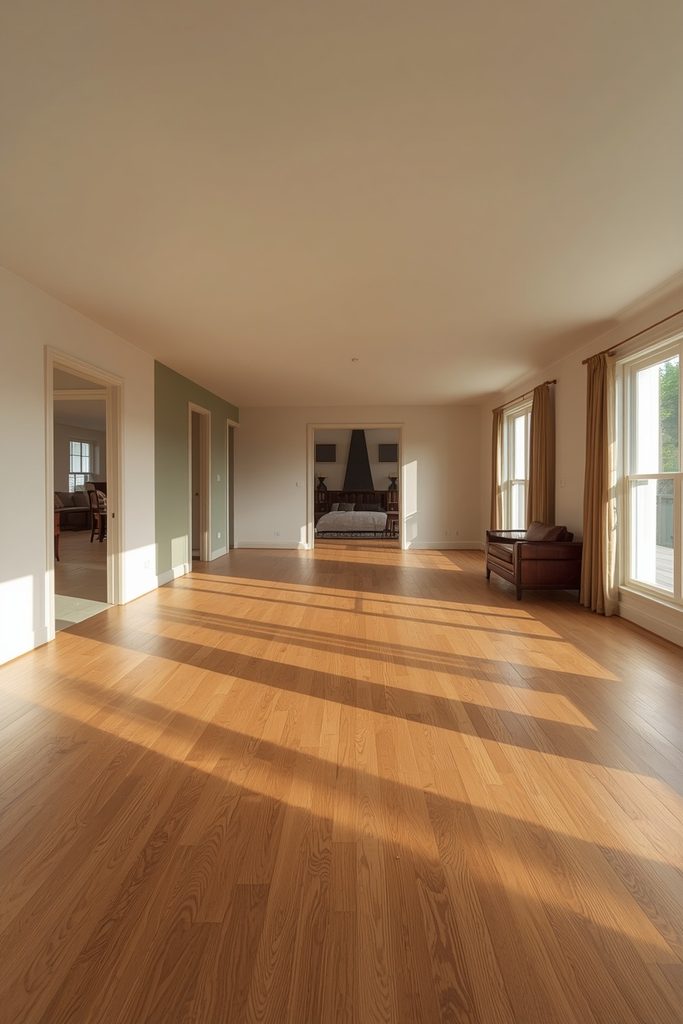
19. Warm Wood Floors With Sage Green Walls
Muted sage green walls and warm wood floors echo a forest in miniature, feeling calm, natural, and cozy. Choose a green with a hint of grey so it does not fight the wood’s warmth. This is a gentle, restorative color pairing.
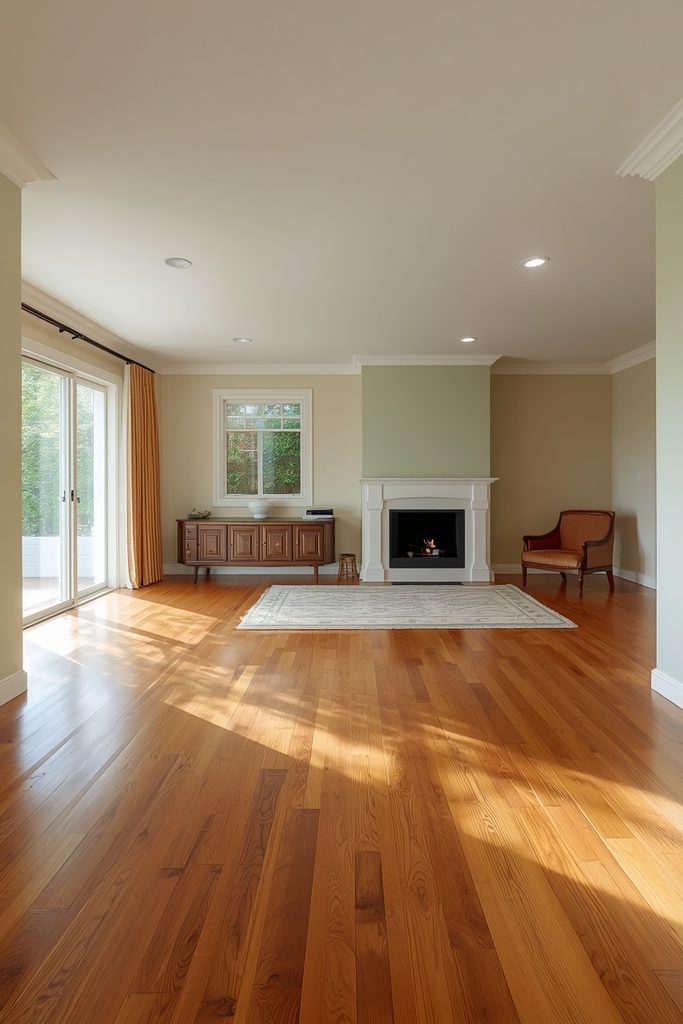
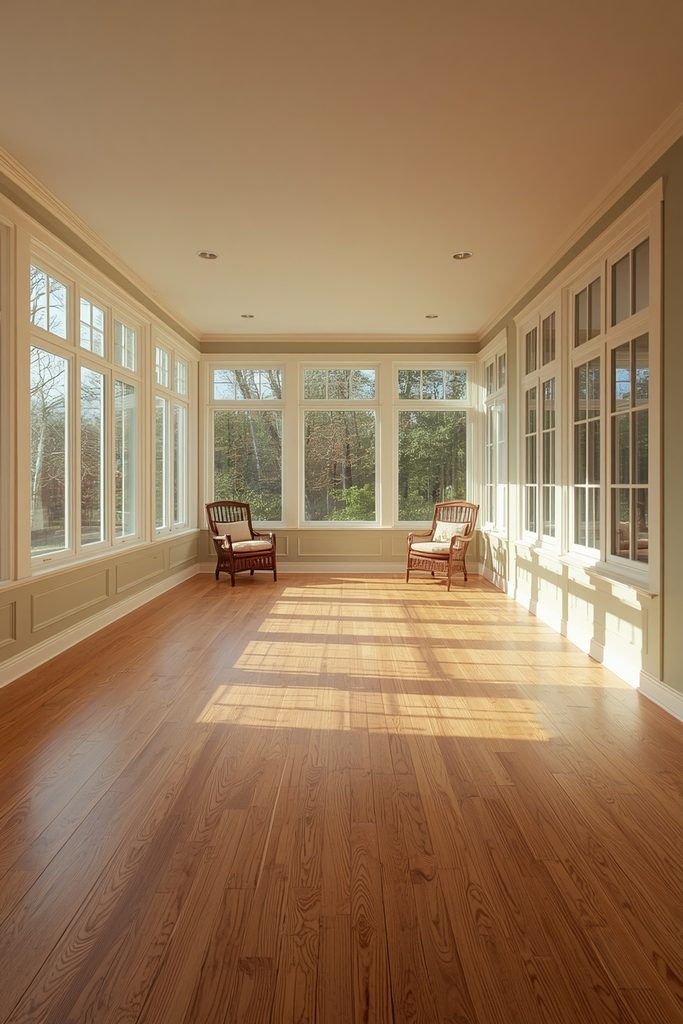
20. Warm Wood in a Sunlit Sunroom
Sunlight makes warm wood glow, so a sunroom is a natural place to feature it. Use a finish with UV protection to prevent fading. The result is a bright room that still feels cozy.
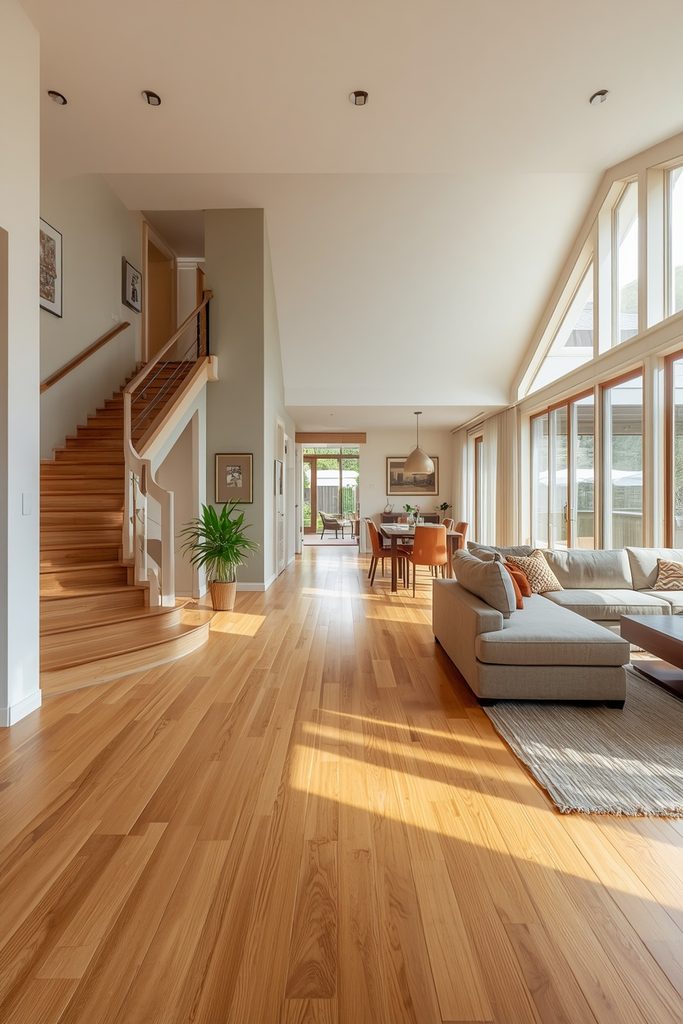
21. A Warm Wood Floor as the Foundation of the Whole Home
Using one warm wood consistently throughout the main living areas creates a calm, continuous backdrop that makes furniture and decor easier to arrange. It also makes the home feel larger and more cohesive. This is the simplest way to build a cozy home from the ground up.
Where I’d Start If I Only Did Three Things
If I only had one decision to make, I’d start with honey-toned oak from idea one, since it works with almost every style and brings instant warmth. Second, I’d layer a generous wool rug over it from idea eleven, because it makes the floor feel cozier immediately. Third, I’d pair the wood with soft cream walls from idea ten, since that combination lets the floor glow without any harsh contrast.
FAQ
What is the warmest type of wood flooring?
Honey-toned oak, cherry, and walnut are generally considered the warmest, each bringing golden, reddish, or chocolate undertones that make a room feel inviting. Hickory and reclaimed wood add warmth through color variation and character as well.
Will warm wood flooring make a small room feel darker?
A mid-tone honey or amber wood usually keeps a small room feeling cozy without darkening it much, especially with light walls and good natural light. Very deep walnut tones are better saved for rooms with generous windows.
What wall colors work best with warm wood floors?
Soft cream, warm white, muted sage green, and gentle neutrals complement warm wood without competing with it. Stark cool whites can make the wood look overly yellow, so a slightly warm white is a safer choice.
Is engineered wood as warm as solid hardwood?
Yes, a quality engineered wood has a real hardwood veneer on top, so it looks and feels just as warm as solid planks. It also handles humidity and radiant heating better, making it a practical choice for many homes.
Conclusion
Warm wood flooring builds a cozy home from the ground up, bringing natural color, texture, and a welcoming glow to every room it touches. Choose the species, pattern, and finish that fit your lifestyle from this list, add a soft rug and warm neutral walls, and the whole house will feel more inviting.